Leave a Message

Thank you for your message. We will be in touch with you shortly.

Living Near Gloucester Beaches: Access, Parking, Seasons

Living Near Gloucester Beaches: Access, Parking, Seasons

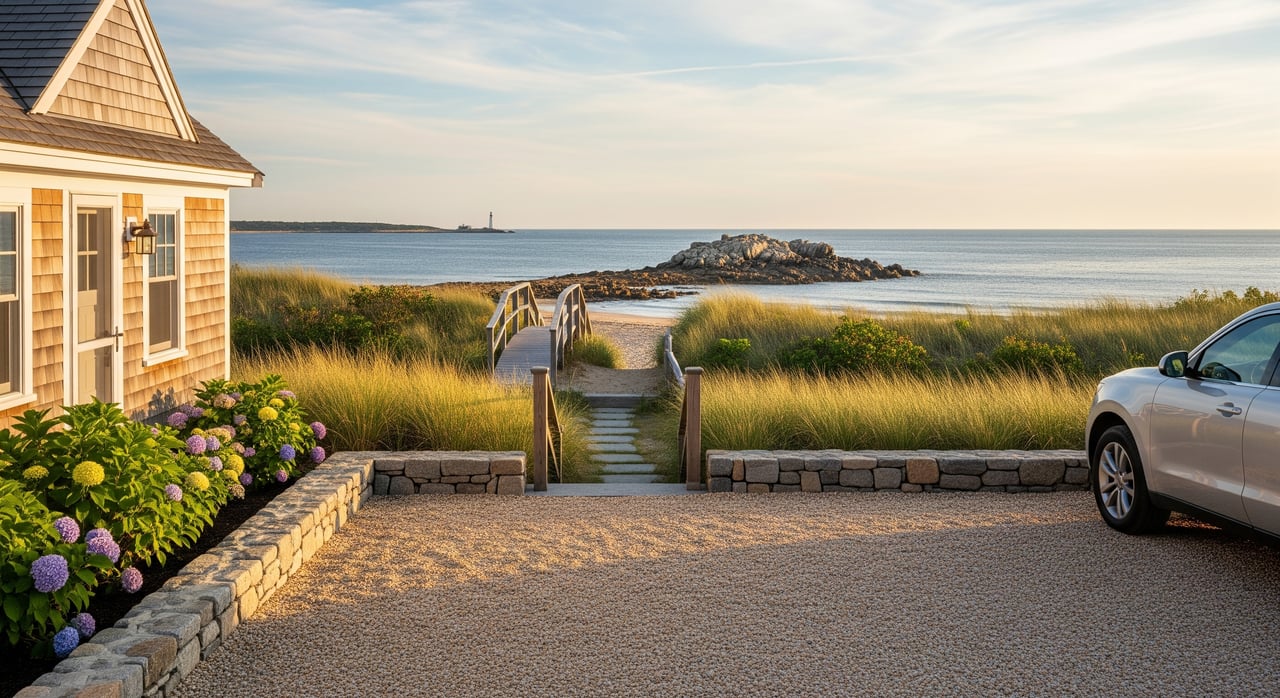
Thinking about making Gloucester your home base so you can stroll to the sand or catch a sunset after work? If you love the North Shore’s coastal rhythm, living near Good Harbor Beach, Wingaersheek Beach, or Stage Fort Park offers a daily dose of ocean air with a few practical trade-offs. You want the real story on access, parking, and how the seasons shape daily life. This guide breaks it down so you can choose the right neighborhood and lifestyle fit. Let’s dive in.

Gloucester beach profiles

Good Harbor Beach at a glance

Good Harbor is a wide, sandy, ocean-facing spot on the eastern side of Cape Ann. It is popular with families and swimmers when the weather warms up. The City of Gloucester manages seasonal services like lifeguards, restrooms, and a public parking lot. Hours and amenities can change each year and are posted by the city.

Wingaersheek Beach at a glance

Wingaersheek features big tidal flats and classic Cape Ann views. Families love the gentle exploration at low tide and shelling. Gloucester’s Recreation Department oversees lifeguards, restrooms, and large municipal parking lots near the main entrance. Expect details like vendor presence and hours to shift by season.

Stage Fort Park at a glance

Stage Fort Park sits by the inner harbor close to downtown. You will find picnic areas, a playground, walking paths, and harbor views, with some small sandy and rocky shoreline. The city manages the park and hosts community events at times. There is a parking lot on site and more consistent year-round access than the ocean beaches.

Getting there: your access options

Driving

Most locals drive. Main approaches include Route 127 and local connectors. Summer weekends bring slow-moving queues near the beach entrances, so many residents go early or late to avoid peak congestion.

Public transit

The MBTA Newburyport or Rockport commuter rail serves Gloucester station downtown. It is a convenient launch point for Stage Fort Park and downtown, with a local walk or bike ride. Getting to Good Harbor or Wingaersheek from the station usually requires a short drive, limited local bus service, or ride-hailing. Be aware that ride-hailing can see longer waits and surge pricing on peak beach days.

Biking and walking

If you live downtown, Stage Fort Park is an easy walk or quick bike ride. Good Harbor and Wingaersheek are walkable from parts of the Magnolia area, with distances increasing from other neighborhoods. Biking is common for locals. Bring a lock, since bike parking can be informal at the beaches.

Water access

Small craft and kayaks commonly use the harbor. Launches and moorings are managed separately by the Harbormaster. Beaches are not primary access points for visitors arriving by private boat. Check the Harbormaster’s rules before planning water-based trips.

Parking essentials

Parking is the biggest swing factor in your beach routine. Here is what to expect:

  • Municipal lots: Good Harbor and Wingaersheek have city-run lots near the main entrances. Stage Fort Park has a lot and some nearby street parking.
  • Street parking: Seasonal restrictions and residential permit zones apply in many areas. Violations can lead to towing.
  • Resident passes and permits: Gloucester uses resident sticker or beach permit systems in season. Rules can include access priority or discounted rates for residents. Confirm the current process with the city before peak summer.
  • Fees and payment: Seasonal or daily fees are typical at municipal lots. Payment methods and enforcement hours can change each year.
  • Enforcement: Expect active enforcement on summer weekends and holidays. Overnight parking, camping, fires, and beach grilling are generally prohibited.

Pro tip: arrive early on sunny summer weekends. Many locals head out before mid-morning or choose later afternoon arrivals once turnover begins. When possible, walk or bike to avoid lot queues.

Seasons: how life changes

Gloucester’s beaches follow a clear seasonal rhythm that shapes daily life nearby.

  • Spring (May to early June): Crowds build and some services open on weekends. Water temperatures lag the air, so it feels quieter than midsummer.
  • Peak summer (mid-June through Labor Day): Highest visitor volumes with lifeguards on duty, concessions open, and full parking enforcement. Weekend and holiday afternoons are the most crowded.
  • Shoulder season (September to October): Early September often brings warm days with fewer visitors. Seasonal services wind down and hours drop.
  • Off-season (November to April): Calm, wide-open beaches with minimal services. Coastal storms can reshape shoreline access. Restrooms and concessions may be closed.

Environmental factors matter too. Tides and currents shape the experience, especially the dramatic low-tide flats at Wingaersheek. Salt air increases home maintenance needs like paint and metal care. Storms and surge risk are part of coastal living, so evaluate flood exposure for properties close to the water.

Neighborhood impacts and trade-offs

  • Magnolia: Quick access to Good Harbor and Wingaersheek. Expect more foot and vehicle traffic in peak season. Proximity is a major convenience if you plan frequent beach time.
  • East Gloucester, Downtown, Rocky Neck: Closest to Stage Fort Park and downtown services. You can walk to more year-round amenities and restaurants.
  • Annisquam: A village-like feel with water access that varies by exact location. Some areas are quieter, but beach logistics depend on your street and shoreline orientation.

When you shop for a home, weigh a short walk to the beach against the noise and congestion that come with peak summer days. Private off-street parking or eligibility for a resident permit program can make day-to-day life much easier in season.

A buyer’s quick checklist

  • Map your most likely beach. Time the drive, bike, and walk during a sunny weekend and a weekday.
  • Test parking. Try an early arrival and an afternoon arrival to compare lot queues.
  • Confirm current rules. Check city updates on lifeguard schedules, fees, resident stickers, and beach regulations.
  • Review tide patterns, especially for Wingaersheek. Plan visits around low tide to understand real-world access.
  • Ask about short-term rental rules if you plan occasional rental use. Regulations can affect neighborhood feel.
  • Assess flood risk via FEMA maps and consult an insurance agent for costs and elevation certificate needs.
  • Check maintenance realities near salt air. Budget for paint cycles, metal fixtures, and window hardware.

What to verify before you buy

  • Current parking fees, hours, and whether resident stickers are required for each lot.
  • Lifeguard season dates and posted hours for the year.
  • Restroom and concession availability at your preferred beach entrance.
  • Local ordinances for dogs, alcohol, fires, and any seasonal restrictions.
  • MBTA commuter rail schedules if you plan Boston commutes plus last-mile options.
  • FEMA flood zone status for the specific property and any lender requirements.
  • Any local short-term rental rules if investment use is part of your plan.

Make the most of Gloucester living

If daily access to sand and sea is part of your why, Gloucester offers a compelling mix of natural beauty and real neighborhood convenience. The key is matching your beach routine to the right location, parking setup, and seasonal pace. When you balance access, maintenance, and crowd patterns, you get all the upside with fewer surprises.

Ready to find the best fit near Good Harbor, Wingaersheek, or Stage Fort Park? Reach out to Annie McClelland for local guidance, neighborhood insight, and a tailored plan to secure your ideal spot.
FAQs

Do Gloucester beaches have lifeguards year-round?

  • No. Lifeguards are seasonal and typically cover summer months. The City of Gloucester posts each year’s schedule.

Is parking free at Good Harbor, Wingaersheek, or Stage Fort Park?

  • Not during peak season. Municipal lots usually charge seasonal or daily fees and enforce permit rules. Check the city’s current details.

Can you walk from downtown to the beaches?

  • Stage Fort Park is an easy walk from downtown. Good Harbor and Wingaersheek are a short drive and a longer walk or bike from most areas.

Are dogs allowed on Gloucester beaches?

  • Dog access is seasonal and locally regulated. Many beaches restrict dogs in summer. Always follow posted signs and city rules.

How crowded do the beaches get on holiday weekends?

  • Very crowded. Expect limited parking and heavy traffic. Aim for early arrival or mid-week visits to reduce wait times.

Do I need flood insurance for a coastal home in Gloucester?

  • Lenders require flood insurance for homes in FEMA Special Flood Hazard Areas. Many buyers outside those zones still choose coverage due to storm risk. Consult FEMA maps and an insurance agent.

Work With Us

While our experience in sales, marketing, and negotiation gives us an edge, it’s the relationships with our clients, agents, and community that we value most. If you’re looking for honest guidance, creative solutions, and a team that genuinely loves what we do, we’d love to connect.