Wondering when to put your Hamilton home on the market? Timing matters, especially on the North Shore where seasons shape buyer behavior, curb appeal, and even your moving logistics. You want a plan that fits your goals and your property, not just a generic “spring is best” answer. In this guide, you’ll learn how each season performs, what to do if you need to move quickly, and how to prepare your grounds and marketing for a standout launch. Let’s dive in.
How seasons shape Hamilton demand
Hamilton follows a classic Massachusetts rhythm, with spring bringing the most listings and buyer traffic. Inventory, days on market, and pricing can shift year by year, so it helps to understand the typical flow and then tailor around your situation.
Winter to early spring momentum
January and early February often have lower inventory, but the buyers who are active tend to be serious. If you want to move quickly, listing early can help you stand out while others are still prepping. You will want realistic pricing and polished presentation to capture that focused pool.
Spring peak
From late February through May, buyer activity rises and many families aim for summer closings. This is often the highest-volume season, with more competition among buyers. If your home shows well and your pricing aligns with recent comps, you can position for strong results.
Summer dynamics
June is still busy as buyers lock in before school starts. Late July and August can ease a bit as people travel, yet many motivated buyers remain in the market. In family-focused neighborhoods, you can still attract buyers who are targeting a pre-September move.
Fall market
September through November typically sees fewer new listings and a modest drop in traffic. Fall buyers are often goal-driven, including job relocations. You can get efficient showings and constructive feedback, though multiple-offer scenarios are less common than in spring.
Hamilton-specific factors to weigh
Commuter access is important for many buyers. The Hamilton/Wenham stop on the Newburyport-Rockport line is a plus for Boston-bound professionals, and schedules are easy to check on the MBTA commuter rail page. School-year timing also influences some buyers who prefer summer moves. Hamilton’s position within the North Shore draws interest from people weighing inner-core suburbs like Cambridge or Newton, as well as buyers considering more affordable regional options such as Framingham. Many choose Hamilton for more land and a quieter, coastal-adjacent lifestyle.
For current, local data as you approach listing, review market indicators from the Massachusetts Association of Realtors and discuss neighborhood comps with your agent. Mortgage rates will shape demand too. Track weekly trends with Freddie Mac’s PMMS.
When curb appeal counts most
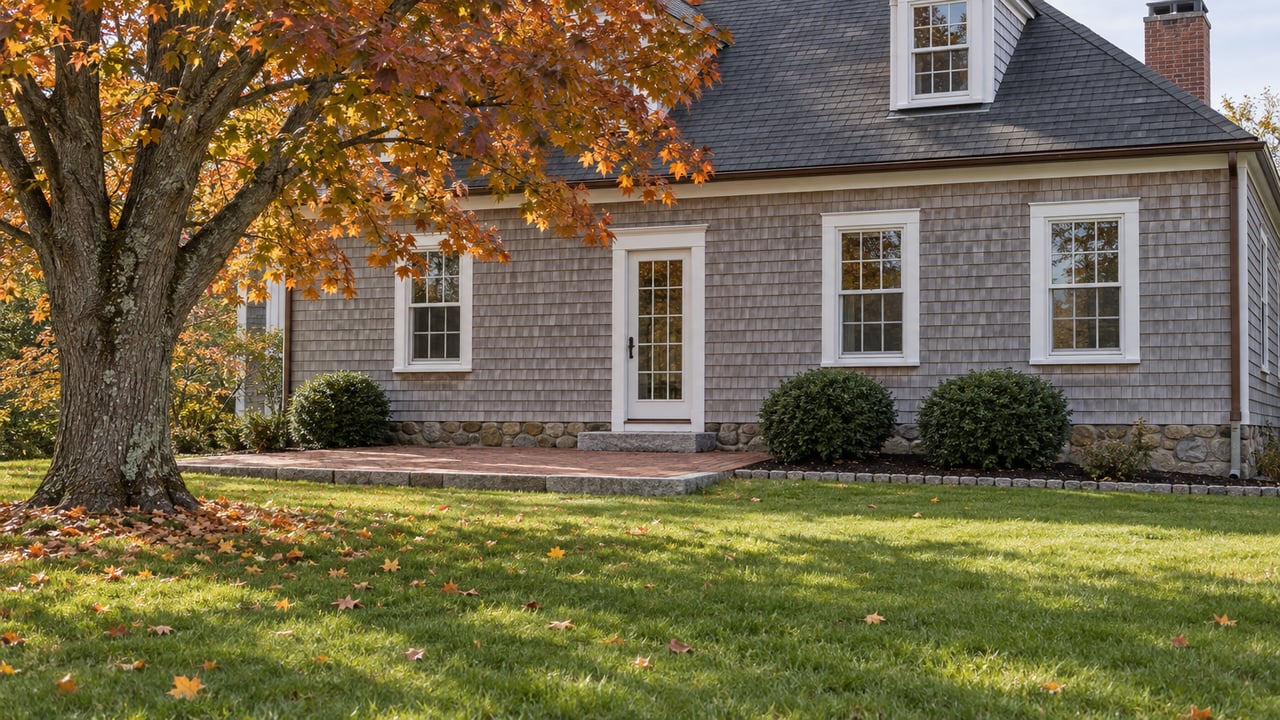
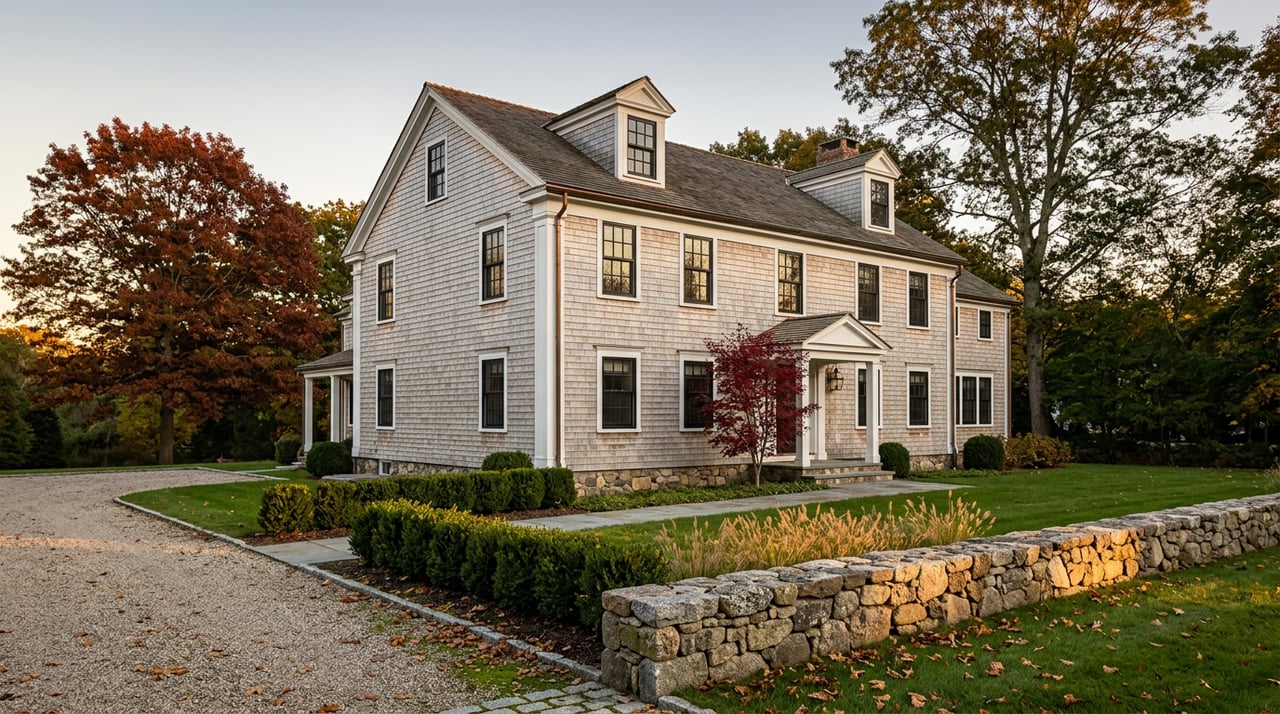
If your property shines outdoors, seasonality matters. Leaf-on months typically make gardens and mature trees look their best, and they give buyers a sense of privacy and outdoor living.
- Gardens and landscaping. Late April through June often delivers the strongest photography for flowering shrubs and perennials. Plan pruning and planting ahead so beds are tidy and full for photos. For regional gardening guidance, check UMass Extension’s home lawn and garden resources.
- Pools and outdoor amenities. Pools, patios, and three-season spaces show best from late spring to early fall. If you must list in winter, highlight interior lifestyle features and consider virtual staging to help buyers visualize warm-weather use.
- Waterfront and marsh views. In nearby Essex and marsh-adjacent pockets, calmer green-season months typically offer more inviting visuals. If views vary with tides or seasons, document both honestly to set buyer expectations.
- Winter presentation. Snow can be a positive signal when paths and driveways are neatly cleared. Ensure safe walkways, visible parking, and warm interior lighting for winter showings.
- Photography and media. Strong exterior photos are vital in leaf-on months. In shoulder seasons, twilight shots can create an inviting glow. Drone images can help show lot lines and proximity to natural amenities, provided they follow FAA and local guidelines.
Decision paths by property type
Every seller has different goals. Use these scenarios to align your timing with your priorities and property.
If you want top price and can wait
- Prepare in winter and target late February through April to catch peak spring demand.
- Complete major repairs early, then stage and photograph when grounds are ready.
- Consider a polished launch with professional media and a clear offer timeline.
If you must sell quickly
- List as soon as your home is market-ready, even in winter.
- Price competitively, consider a pre-list inspection, and allow flexible showing windows.
- Focus on clean, decluttered interiors and strong photography to win attention in low daylight months.
Homes with acreage or water views
- Aim for late spring to early summer for maximum curb appeal and lifestyle impact.
- Book landscape crews 3 to 4 months ahead and time photos for peak grounds.
- If views change seasonally or with tides, document that clearly.
Historic homes
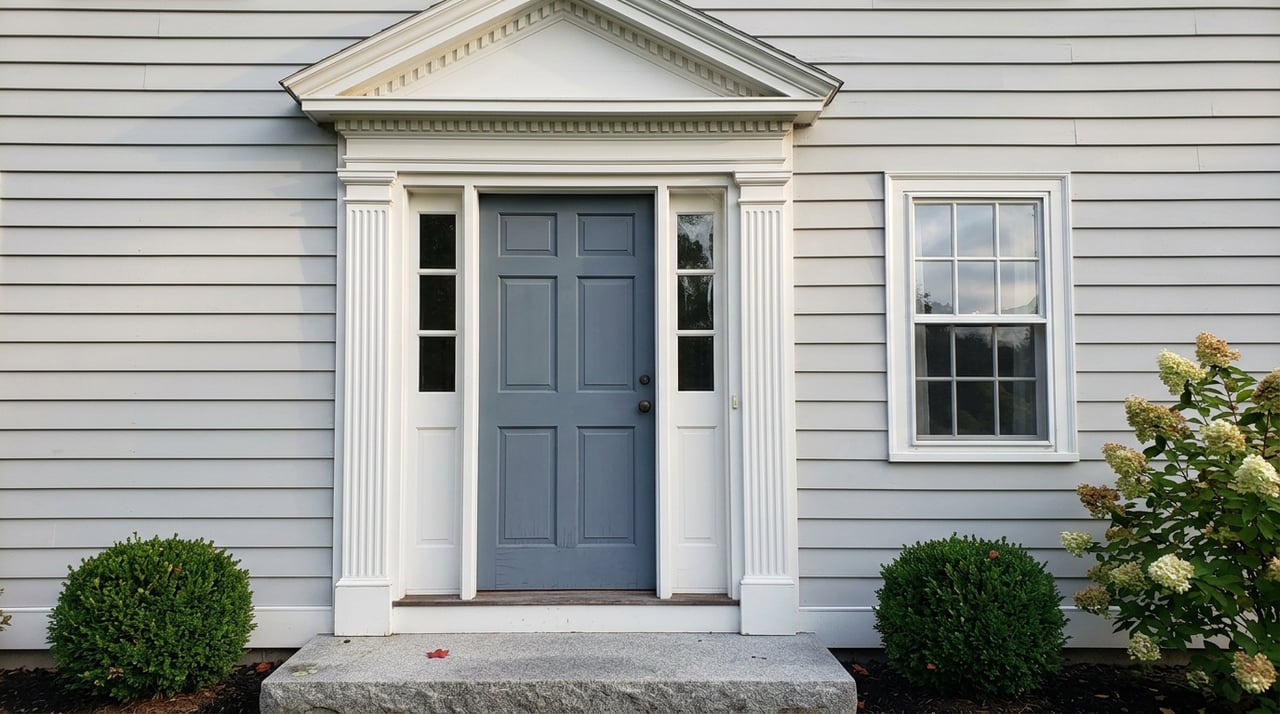
- Spring or fall can complement architectural character and make touring more comfortable.
- Use professional photos that highlight craftsmanship and system updates.
- Prepare a history and maintenance summary to support buyer confidence.
Condos and townhomes
- Spring and early fall are reliable, though condos are less seasonal than yard-centric homes.
- Stage interiors for light and space, and ensure access to any building amenities during showings.
Luxury listings
- High-end buyers shop year-round, but spring and early summer offer excellent presentation and social calendars.
- Invest in top-tier media, including twilight exteriors and curated open houses.
Multi-family and investor properties
- Less seasonal overall. List when financials and inspections are ready.
- Provide rent rolls, maintenance records, and pro formas for a data-forward launch.
New builds and major renovations
- Coordinate completion to be live by spring if possible.
- Pre-schedule final inspections and staging so you can capture summer move-in buyers.
Request a current valuation and a tailored timing plan before you commit to a date. A short consult can clarify whether prepping for spring, launching now, or targeting early fall will best fit your goals.
Timelines that work in Hamilton
Use these checklists to plan backward from your ideal closing window. Remember that typical Massachusetts closings run 30 to 60 days from offer to keys.
3 to 6 months before listing
- Order a pre-list inspection to catch major repair items early.
- Schedule contractors for roof, HVAC, structural, or moisture fixes.
- Map landscaping and hardscape improvements. Plan pruning, bed edging, and power-washing.
- Start decluttering and boxing nonessentials. Aim for light, clean, and spacious rooms.
- Gather utility bills, tax and insurance documents, and any permits or warranties.
6 to 12 weeks before listing
- Wrap up repairs, interior paint, and deep cleaning.
- Book professional photography and video, timed for optimal grounds.
- Stage rooms to highlight natural light and flow; consider virtual staging if needed.
- Confirm required certificates or permits. In Massachusetts, smoke detector certifications are common. Septic documentation can also be important in Essex County.
- Discuss pricing strategy and go-to-market plan based on current comps.
2 to 4 weeks before listing
- Freshen mulch, clean walkways, and touch up paint and caulk.
- Finalize staging, storage solutions, and a showing schedule.
- Complete seller disclosures and organize property documents for buyers.
1 week to launch
- Do a final walk-through with your agent to refine staging and lighting.
- Replace HVAC filters and ensure all fixtures and systems operate properly.
- Remove personal photos and secure valuables for seamless showings.
- Confirm sign placement and your exact online launch timeline.
If listing in winter
- Emphasize interior staging, lighting, and media, including floor plans and virtual tours.
- Keep paths, decks, and driveways cleared and well-lit for safety.
- Highlight system updates and energy efficiency to appeal to practical winter buyers.
Read the market like a pro
As you get closer to listing, watch key signals that help guide pricing and negotiation.
- Inventory and months of supply. Low inventory favors sellers. Rising months of supply can point to slower absorption.
- Days on market. Longer DOM can mean seasonal cooling or a need to adjust price or presentation.
- List-to-sale price ratio. Above 100 percent suggests stronger competition. Below 100 percent can mean more negotiation.
- Mortgage rates. Rising rates can reduce affordability and slow demand. Falling rates can accelerate activity. Track weekly trends with Freddie Mac’s PMMS.
- Broad market context. State and national reports can help you read momentum while you and your agent fine-tune comps. The Massachusetts Association of Realtors and the National Association of Realtors publish regular data.
Local logistics to plan for
Thinking ahead can prevent delays and protect your net proceeds.
- Historic or conservation constraints. If your property is in or near a historic district or wetlands, confirm what work requires permission before you list. Start with the Town of Hamilton and review septic and wetlands topics with the Massachusetts Department of Environmental Protection.
- Septic and wells. Many Essex County homes rely on septic systems. Buyers often ask for pump or inspection records. Learn more about Title 5 on the state’s septic systems guidance.
- Commuter access. Many buyers assess commuting options, so note distance and frequency for the Hamilton/Wenham station on the MBTA Newburyport-Rockport line.
- School-year timing. Some buyers prefer to close in summer. Check dates on the Hamilton-Wenham Regional School District calendar if your plan ties to a school move.
- Moving season. June through August is peak season for movers. If you want a summer close, reserve moving services early and confirm storage options.
Putting it all together
There is no single “perfect” month for every Hamilton home, but there is a best plan for yours. If you want to maximize price and your grounds are a selling point, build toward a spring launch with strong media. If you need to move quickly, a well-prepared winter listing can still earn a great result in a market with limited inventory. Align your timing with your goal, then nail the details that matter most for your property type.
You deserve tailored advice, premium presentation, and a calm, confident process. Our team pairs boutique, high-touch guidance with the global reach of Gibson Sotheby’s, backed by over $200M in volume, 170-plus transactions, and sale-to-list ratios above 100 percent. Ready to map the right timeline for your home? Request a Home Valuation with Annie McClelland and get a step-by-step seasonal plan for your property.
FAQs
Is spring always best for Hamilton sellers?
- Spring typically brings more buyers and activity, but the right time for you depends on your goals, your property’s strengths, and your readiness to list.
Should I wait for my garden to bloom in Hamilton?
- If outdoor living is a key selling point and you can wait, late spring photos often add value. If you must list sooner, focus on interior staging and strong media.
Are winter buyers fewer in Hamilton, and should I price lower?
- Winter buyers are fewer but often serious. You do not need to discount automatically, but you should price competitively and invest in great presentation.
How far in advance should I start repairs before listing in Hamilton?
- Plan major repairs 3 to 6 months ahead and cosmetic work 4 to 8 weeks before photos. This keeps you flexible if weather or schedules shift.
How does the school-year calendar affect timing in Hamilton?
- Many families prefer summer moves, which can lift demand in spring and early summer. Align your target close with that window if your buyer likely values school timing.