
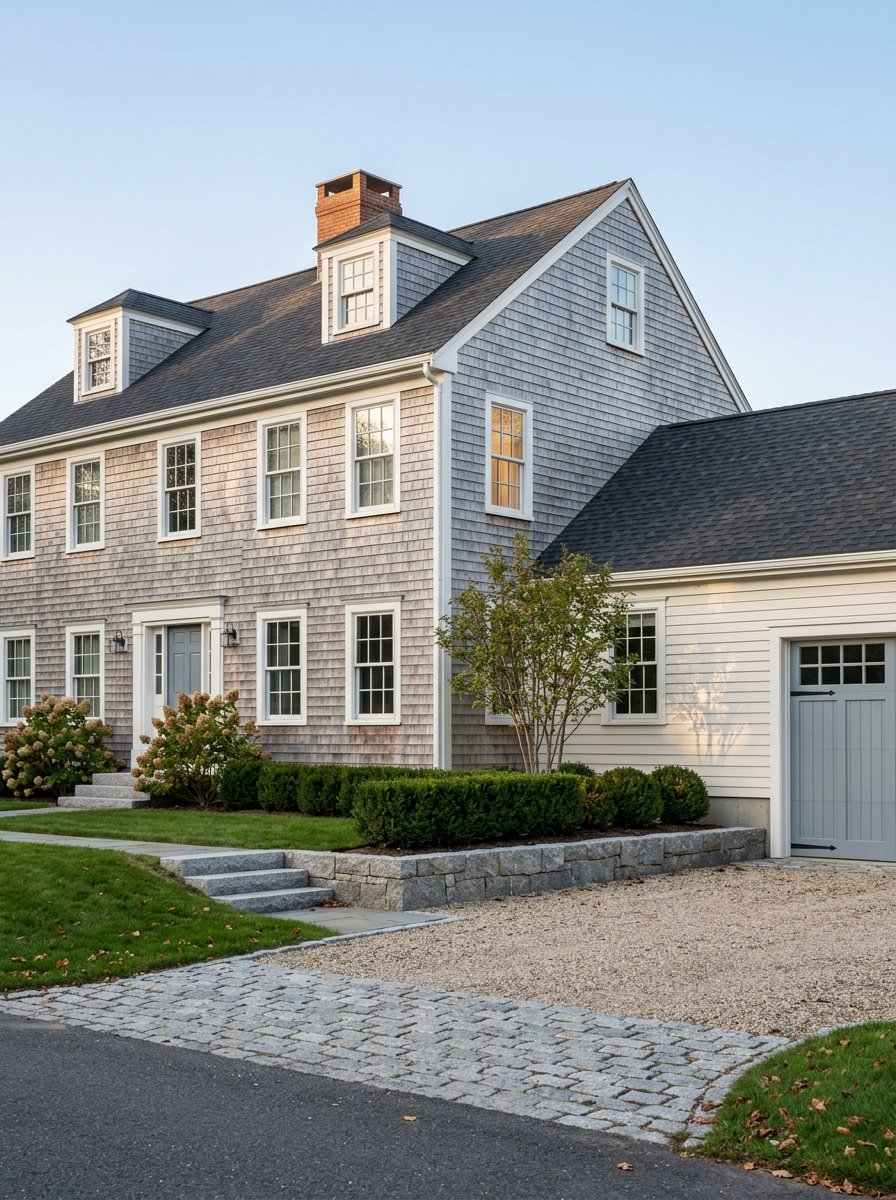
Wondering whether you should move up, downsize, or stay put in Wenham? If you already live in town, that decision can feel more complicated than it sounds. You may love your location and community ties, but finding the right next fit in a small, tight housing market takes planning. This guide will help you think through the financial, timing, and housing questions that matter most so you can make a confident next move. Let’s dive in.
Wenham is a small town with 4,929 residents and 1,334 housing units, and the local housing stock is limited compared with larger nearby communities. Census Reporter data also shows a high owner-occupied housing rate of 87.2%, which helps explain why many homeowners stay put for a long time.
That limited turnover matters if you want to move within town. A 2024 municipal housing profile notes that only 7.9% of units are single-family attached, renter-occupied housing accounts for 11.8%, accessory dwelling units are allowed by permit, and multi-family zoning is limited to the Senior Housing Overlay District.
In practical terms, a move-up or downsize in Wenham is often less about whether you want to move and more about whether the right in-town option exists when you need it. That makes strategy, timing, and flexibility especially important.
Before you look at listings, get clear on what problem you are trying to solve. The best decision usually starts with your daily life, not just your home's market value.
If you are considering a move-up, you may need more bedrooms, better work-from-home space, a different layout, or more room for hobbies and guests. If you are thinking about downsizing, your goal may be less upkeep, a simpler floor plan, or access to more of your home equity for other priorities.
Sometimes the right answer is not moving at all. If your current home still works with a few changes, staying put may be worth serious consideration.
It is easy to focus on the purchase price of the next home, but your monthly cost is what affects your life most. The Consumer Financial Protection Bureau recommends looking at the total monthly home payment, including:
You should also account for the costs that happen before and after closing. According to the CFPB's guidance on shopping for title insurance and other closing services, buyers and sellers should budget for:
In Wenham, local tax costs are also part of the picture. The Town of Wenham Assessors page lists the Fiscal Year 2026 real estate and personal property tax rate at $15.99 per $1,000 of assessed value. The town profile also notes a 3.0% Community Preservation Act surcharge, with exemptions for low-income households and the first $100,000 of residential assessed value.
Downsizing sounds simple in theory, but in Wenham it can be hard to find lower-maintenance options without leaving town. The local housing profile shows a limited mix of housing types, and the condo market is especially thin.
The Massachusetts Association of Realtors December 2025 local market update reported just 1 condo in inventory in Wenham, with a year-to-date median sale price of $789,500. The same report showed only 4 single-family homes in inventory and 1.4 months of supply, while noting that small sample sizes can make monthly swings look extreme.
That does not mean downsizing in Wenham is impossible. It does mean you may need more time, broader criteria, or a willingness to explore alternatives such as an accessory dwelling unit where permitted.
If you have owned your home for years, equity may be one of your biggest tools. It can help fund your next purchase, cover a down payment, or make staying put more feasible through improvements.
But equity is not risk-free. The CFPB explains that a home equity loan or HELOC lets you borrow against your home, and because the home secures the debt, missed payments can put the property at risk.
If your current home sale will provide most of the funds for your next purchase, this financing question should be addressed early. It is especially important in a low-inventory market where timing can shift quickly.
This is one of the biggest decisions for Wenham homeowners making an in-town move. There is no single right answer, but there is a clear tradeoff.
Selling first usually gives you more cash-flow certainty. You will know your sale proceeds, reduce the chance of carrying two homes at once, and have a clearer budget for your next purchase.
Buying first can give you more housing certainty, which matters in a town with limited available inventory. But it may require temporary financing or an equity-based strategy, and those choices should be evaluated with care.
Because Wenham had only 4 single-family listings and 1.4 months of supply in the December 2025 MAR report, same-town moves may require extra lead time, flexible closing dates, or backup housing plans. In a market this thin, logistics are just as important as price.
A good plan lowers stress and gives you more options. If you are thinking about moving up or downsizing within Wenham, start here.
The CFPB recommends revisiting your budget as your search continues because rates can change daily. Focus on the monthly payment you want to live with, not just the number you hope to buy or sell at.
The CFPB also advises buyers to get preapproved, compare loan options, and consider financing and inspection contingencies when appropriate. In a tight market, preapproval helps you understand your range before the right property appears.
If you plan to buy, try to avoid major credit changes before closing. The CFPB notes that keeping your financial picture stable can help you stay on track through the purchase process.
Think through where you will go if your current home sells before the next one is ready. In Wenham, that backup plan can make a big difference.
If you are downsizing for simplicity or moving up for space, compare those goals against what a renovation, reconfiguration, or permit-based accessory dwelling option might accomplish. In some cases, the best move is improving the home you already have.
For many homeowners, the tax side of selling matters. The IRS guidance on the sale of a residence says that homeowners who meet the ownership and use tests may be able to exclude up to $250,000 of gain from the sale of a main home, or $500,000 on a joint return in most cases.
That does not answer every tax question, but it is an important starting point if you have significant equity. If your home has appreciated substantially, this is one more reason to plan before you list or buy.
In a market like Wenham, your next move is rarely just about finding a bigger or smaller house. It is about matching your lifestyle goals with realistic inventory, carrying costs, and timing.
If you are moving up, the key question is whether the added space will improve daily life enough to justify higher long-term costs. If you are downsizing, the real challenge may be finding the right lower-maintenance fit in a town with limited alternatives.
And if staying put is still on the table, that is not a fallback. It can be a smart, strategic choice when you weigh taxes, insurance, maintenance, moving costs, and the realities of Wenham's thin inventory.
If you want help thinking through your next step in Wenham, Annie McClelland offers thoughtful, high-touch guidance to help you evaluate timing, value, and the right path for your goals.





While our experience in sales, marketing, and negotiation gives us an edge, it’s the relationships with our clients, agents, and community that we value most. If you’re looking for honest guidance, creative solutions, and a team that genuinely loves what we do, we’d love to connect.

McClelland Del Rio Group
21 Central St Manchester by the Sea MA 01944