
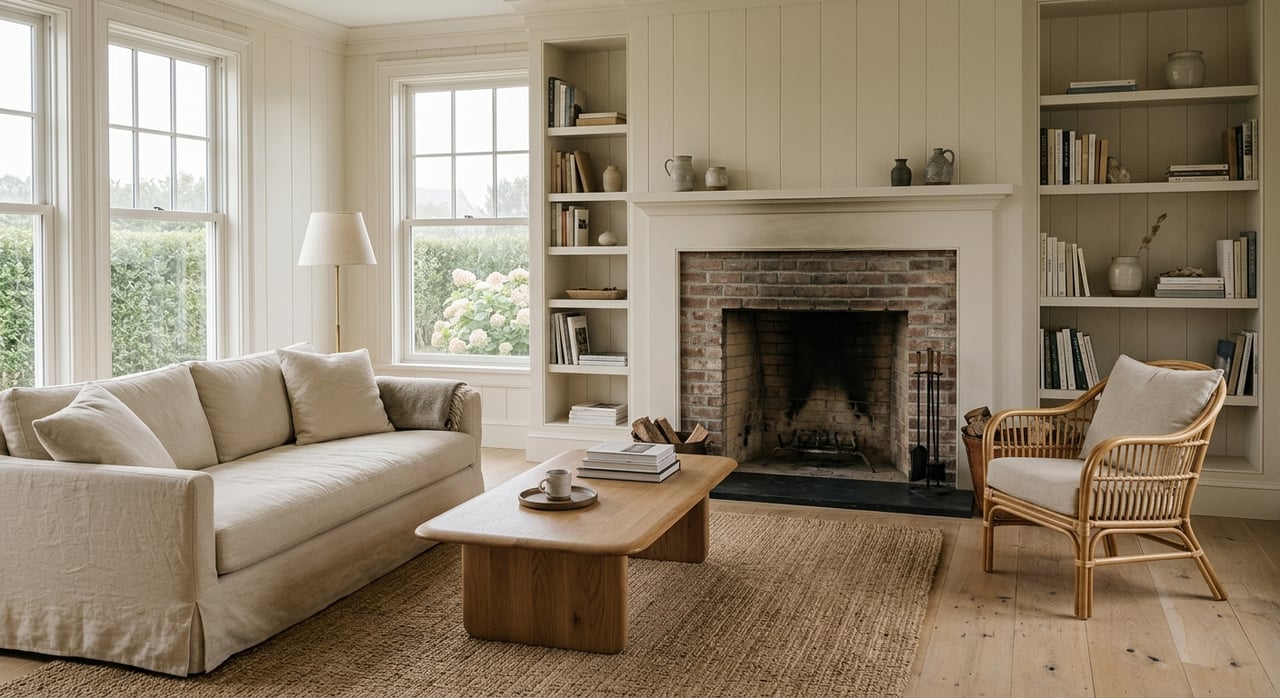
If you are selling a luxury home in Hamilton, you are not just putting a property on the market. You are introducing a rare asset to a small, high-value buyer pool that expects polish, clarity, and confidence from the first click. In a town where inventory is limited and the broader single-family median remains below the $1 million mark, your strategy matters even more. This playbook walks you through how to price, prepare, and present a Hamilton luxury listing so it stands out for the right reasons. Let’s dive in.
Hamilton is a distinctive North Shore market with a rural-suburban feel, strong digital connectivity, and an emphasis on protecting open space, natural resources, and historic character. According to the Town of Hamilton, the community also offers convenient access to the Atlantic seashore, which shapes how many buyers view setting and lifestyle.
That backdrop matters when you sell a higher-end home. The Massachusetts Association of Realtors Hamilton report showed a year-to-date median single-family sale price of $875,000, with just 6 homes for sale and 1.1 months of supply as of December 2025. For a $1M+ property, that means your home sits above Hamilton’s central price band and should be positioned as a differentiated offering, not marketed like a typical suburban listing.
In a small market like Hamilton, broad averages can be misleading. The local data itself notes that low monthly transaction counts can make one month look unusually high or low, so luxury pricing should rely on the narrowest relevant comparable sales possible.
That usually means looking closely at homes with similar condition, lot characteristics, setting, and overall presentation. For a premium property, town-wide median numbers are helpful context, but they should not be the main basis for pricing.
Luxury buyers still compare value carefully, even when inventory is tight. A strong list price should reflect scarcity and quality, but it also needs to feel credible once buyers review the photos, floor plan, and showing experience.
In Hamilton, that balance is especially important because the market is thin rather than deep. The goal is to create urgency around a well-positioned listing, not confusion around an unsupported asking price.
Most buyers begin their search online. In the National Association of Realtors 2025 home search report, 43% of buyers first looked online for properties, while only 21% first contacted a real estate agent.
That same report found that among buyers who used the internet, photos were the most useful website feature for 83%. Detailed property information, floor plans, virtual tours, and video also ranked highly. In other words, your marketing has to do meaningful work before a buyer ever books a showing.
Strong digital presentation is even more important in Hamilton because the audience is highly connected. According to U.S. Census QuickFacts, 96.5% of Hamilton households had a broadband subscription and 99.2% had a computer.
That does not just support online exposure. It means many buyers are evaluating quality, layout, and lifestyle fit on their screens first, often before deciding whether the home is worth a trip in person.
Not every room carries the same weight. In the NAR 2025 Profile of Home Staging, buyers’ agents said the most important rooms to stage were the living room, primary bedroom, and kitchen.
That guidance is especially useful for luxury sellers. These rooms often drive a buyer’s emotional reaction to the home and help communicate comfort, scale, and everyday livability.
Staging is not just about aesthetics. In that same NAR report, 83% of buyers’ agents said staging made it easier for buyers to visualize the property as a future home.
The report also found that 17% of buyers’ agents said staging increased the dollar value offered by 1% to 5%. On the listing side, 30% of sellers’ agents reported a slight decrease in time on market, while 19% reported a great decrease.
A luxury home needs more than a few strong photos. Buyers respond to a complete presentation package that shows the home clearly and supports decision-making.
At minimum, that means professional photography, detailed property information, floor plans, and a strong digital story. Video and virtual tours can add another layer, especially because buyers say those features are useful during the search process.
Luxury buyers are often looking for more than finishes and square footage. The 2025 Luxury Outlook from Sotheby’s International Realty notes that high-end buyers continue to seek homes that align with their personal aspirations and values, including wellness and sustainability.
For a Hamilton listing, that often translates into a broader story about privacy, setting, open space, and how the property fits a North Shore lifestyle. The marketing should connect the home to the reasons buyers choose Hamilton in the first place.
Sellers consistently want more than MLS placement. In the same NAR buyer and seller trends report, 83% of sellers said they wanted a broad range of services and management of most aspects of the home sale.
The most common needs were help marketing the home, help pricing it competitively, and help selling within a specific timeframe. That lines up with what luxury sellers typically expect from white-glove representation: a coordinated process from preparation through negotiation.
The McClelland Del Rio Group operates under Gibson Sotheby’s International Realty, which pairs boutique advisory with a larger marketing platform. According to a Gibson Sotheby’s company update, the brokerage had 33 offices and more than 700 agents after its 2025 expansion.
Gibson has also described using an in-house marketing team to build customized campaigns, which matters when your listing needs more than standard syndication. At the broader brand level, the Sotheby’s International Realty 2026 network summary reports more than 1,100 offices across 86 countries and territories, nearly 26,000 sales associates, and nearly $7 billion in global referrals.
For you, that means a Hamilton property can benefit from local market knowledge while also being introduced through a much larger referral and media ecosystem.
A luxury sale usually starts well before the home hits the market. You should expect thoughtful pricing guidance, a preparation plan, advice on staging priorities, and a clear rollout timeline.
This is where boutique service can make a real difference. A hands-on team can help you make decisions that improve presentation without turning the process into guesswork.
Once your listing is live, marketing and showing activity should be managed closely. That includes monitoring buyer response, evaluating feedback for patterns, and adjusting strategy when needed.
In a market as small as Hamilton, every showing and every serious inquiry carries weight. You want a team that combines careful attention with calm, data-backed decision-making.
Before your Hamilton home goes live, make sure your plan covers the basics:
A luxury listing in Hamilton needs more than a pretty brochure and an ambitious number. It needs disciplined pricing, elevated presentation, and marketing that matches how today’s buyers actually shop. In a small market with limited inventory and a price band below many premium listings, the homes that perform best are the ones that feel intentional from day one.
If you are preparing to sell a $1M+ home in Hamilton, the right guidance can help you position your property with clarity and confidence. When you want boutique service, local North Shore insight, and the reach of a global luxury network, connect with Annie McClelland to request a home valuation.
While our experience in sales, marketing, and negotiation gives us an edge, it’s the relationships with our clients, agents, and community that we value most. If you’re looking for honest guidance, creative solutions, and a team that genuinely loves what we do, we’d love to connect.
McClelland Del Rio Group
21 Central St Manchester by the Sea MA 01944