
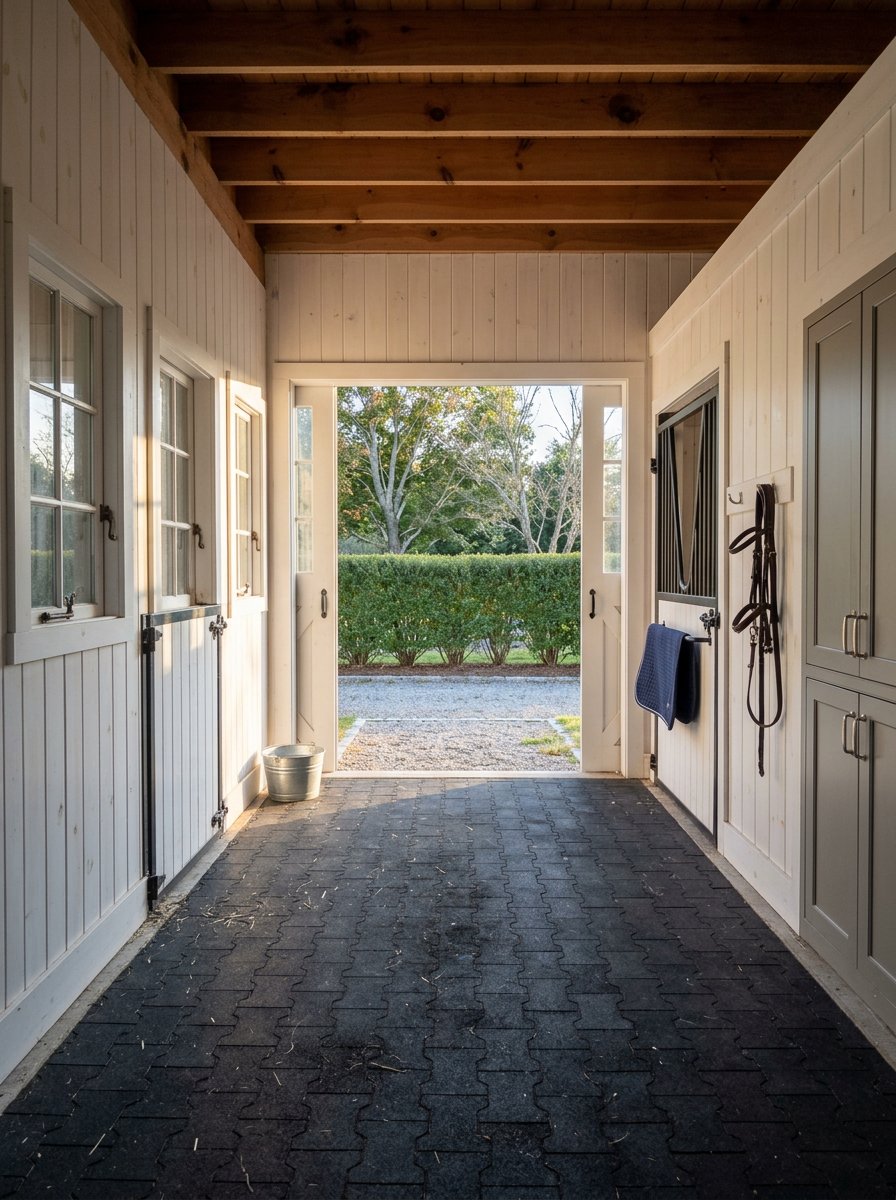
If you dream of riding out your back gate onto quiet grass rides and returning to a tidy barn at dusk, Hamilton might be your kind of place. The town’s horse culture runs deep, and you feel it in the rhythm of local events, the conserved open space, and the practical know-how that keeps barns running well through New England weather. In this guide, you will learn what makes Hamilton true horse country, what to look for in equestrian-friendly homes, which rules matter, and how the town compares with nearby North Shore markets. Let’s dive in.
Hamilton’s equestrian story is active, not just historic. The community’s riding identity is anchored by the long-standing Myopia Hunt, known for foxhunting traditions, hunter paces, and a visible stewardship role that helps keep the countryside rideable. Local polo and schooling fields add to the scene, and a year-round calendar keeps riders connected.
Public and conserved lands expand your options beyond your own paddocks. The Trustees’ Appleton Farms Grass Rides offers a network of historic carriage roads open to equestrians under posted rules. Nearby state and conservation resources, including Bradley Palmer and Willowdale, are popular with riders who trailer in. Always check posted signage and seasonal restrictions before you go.
When you shop for a horse property, evaluate the site as a complete system. You want safe, efficient daily routines, good drainage, and the right permits in place.
Hamilton requires a stable license for any new or remodeled stable, and no stable may be used without a license. Confirm that the seller holds a current license and that any plans on file match what you see on site. The town’s Board of Health outlines the stable licensing process and inspections in its Keeping of Animals regulations and in the stable application.
Inside the barn, review stall size and construction, ventilation, lighting, washable surfaces, tack and hay storage, and electrical and fire safety. Safe access for deliveries and equipment matters more than you think when winter arrives.
Hamilton’s Board of Health sets a minimum land area of 80,000 square feet, about 1.84 acres, for up to three horses, plus 20,000 square feet for each additional horse. These rules, along with siting and drainage standards, often determine how many horses a parcel can support. See the town’s Keeping of Animals regulations for details.
Fencing should be safe and visible. The town favors post and board or split rail and prohibits barbed wire. Layout also matters. Separate paddocks with clear gates and safe sightlines help you rotate turnout and manage horses that need space.
Pasture health and mud control make daily care easier. UMass Extension offers practical best practices for footing, drainage, and sacrifice areas that you can spot during a showing. Their guidance on downspouts, firm-footing approaches, and paddock surface management is a helpful lens for inspection. Review UMass Extension’s mud management tips and apply them to what you see underfoot.
Look for a level area with a compacted base, appropriate drainage, and suitable footing. For indoor arenas, ventilation and lighting are key. Rebuilding poor footing or a failed base can be one of the largest single site costs, so test for compaction and standing water after rain.
The Board of Health sets setbacks from potable wells and typically prohibits locating paddocks over leaching fields. Ask for well logs, recent water test results, and Title 5 septic records. Confirm that any paddocks or yard areas are not over a leach field and that setbacks match the town’s standards. The stable application outlines these review items.
Plan for manure storage and disposal from day one. UMass Extension’s guidance on manure management and composting helps you right-size storage, set buffers, and reduce runoff and odors. A simple, well-sited compost area can protect water quality and keep neighbors comfortable while turning waste into a useful soil product.
Check driveway width, turning radius, and parking for trailers. Proximity to veterinarians, farriers, feed suppliers, and lesson barns reduces stress during busy weeks or emergencies. Shorter travel times simplify care routines and make riding after work more realistic.
Hamilton requires annual “Keeping of Animals” permits for larger animal holdings and a stable license for constructing or altering stables. The Board of Health reviews siting, setbacks from wetlands and wells, sanitary conditions, and manure storage. Always ask the seller for current permits, licensing documents, and any inspection records. The town’s Keeping of Animals regulations detail the requirements.
Some equestrian uses, especially commercial boarding or training, may need a special permit or site plan review. Before you plan changes, speak with the Planning and Land Use office and review the zoning bylaw page to confirm what is allowed on your lot.
Massachusetts offers Chapter 61 programs that can reduce taxes on qualifying land. Chapter 61A is for land in agricultural production. In practice, riding-only or boarding operations often do not qualify unless you are raising horses for sale. Some properties with open space may fit under Chapter 61B as recreational or open land if they meet acreage criteria. Do not assume a horse property will receive a reduced assessment. Confirm current classification, rollback risks, and right-of-first-refusal procedures. The state’s Division of Local Services explains these differences in its Chapter Lands guidance.
Many Massachusetts towns adopt Right-to-Farm bylaws and form agricultural commissions. These local measures can help reduce conflicts over normal farm sounds and smells. If you care about neighbor relations, review whether Hamilton has such local support. Learn more about agricultural commissions on Mass.gov.
Prices shift month to month because sales counts are small, so always verify current figures. As a snapshot, Redfin reported a median sale price of about 900,000 dollars for Hamilton in January 2026. Wenham showed a median near 1.1 million dollars in December 2025. Ipswich medians were around 1.1 million dollars in late 2025 and early 2026 on several provider snapshots. Topsfield has ranged from the mid 700,000s to about 1 million dollars depending on the month. Essex often posts higher medians, while Rowley trends more moderate. Use provider and date when you quote numbers in your own planning, and rely on current MLS data when you are ready to write an offer.
Use this quick list during research or a showing:
Legal and permits
Site and systems
Logistics and lifestyle
Hamilton offers a rare mix of active equestrian culture, conserved open space, and properties that can support your horses at home. If you confirm the right permits, evaluate drainage and footing with care, and match acreage to your turnout needs, you can build a daily routine that feels smooth and safe in all seasons. When you are ready to explore on-market options or prepare a horse-friendly listing, connect with a local advisor who understands both the lifestyle and the rules that shape it.
If you want a tailored plan for buying or selling an equestrian property on the North Shore, reach out to Annie McClelland. You will get boutique, high-touch guidance backed by Gibson Sotheby’s reach and a track record of $200M+ in volume and 170+ successful transactions.
While our experience in sales, marketing, and negotiation gives us an edge, it’s the relationships with our clients, agents, and community that we value most. If you’re looking for honest guidance, creative solutions, and a team that genuinely loves what we do, we’d love to connect.
McClelland Del Rio Group
21 Central St Manchester by the Sea MA 01944