
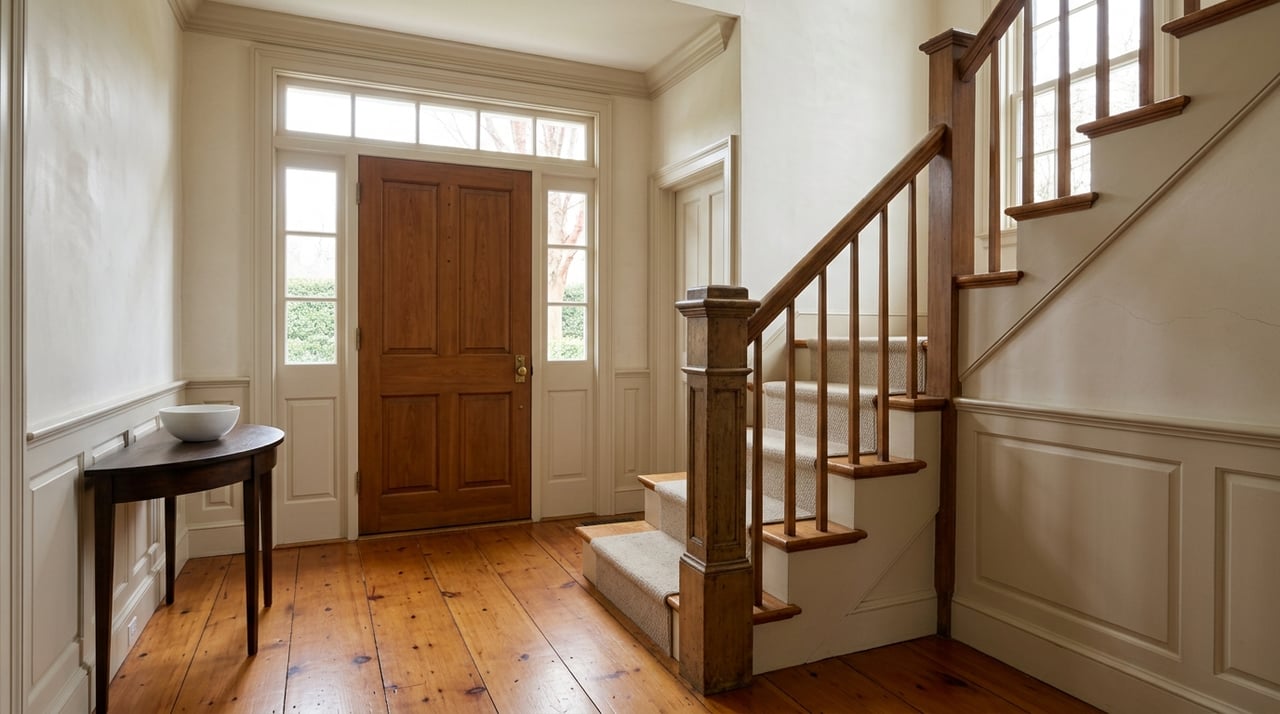
Selling a historic home in Wenham can feel like a balancing act. You want to maximize value, reduce buyer hesitation, and present the house beautifully, but you also do not want to strip away the details that give it meaning. The good news is that with the right preparation, you can honor the property’s history and still bring it to market with confidence. Let’s dive in.
Wenham’s identity is closely tied to its older homes and long architectural history. The town was officially set off from Salem in 1643, and it remains largely residential today, which helps explain why historic character still shapes the feel of many streets and properties. According to the Town of Wenham’s history overview, preservation has been a formal local priority for decades.
That matters if you are selling an older property. Wenham created its local Historic District in 1972 along Main Street, from the Beverly line to the Hamilton line, and exterior changes within that district may require review by the Historic District Commission. In other words, a home’s historic value is not just a style note for marketing. In some cases, it is part of an actual local framework that buyers and sellers need to understand.
Before you make updates or prepare a listing, it helps to clarify what kind of documentation exists for your property. A house may be located in Wenham’s local historic district, it may appear in state inventory records, or it may have both local and documented historical significance.
The Massachusetts Historical Commission’s guidance on inventory forms is especially helpful here. These forms and MACRIS records document a property’s location, appearance, condition, history, and significance, but they are research tools, not automatic designations. For sellers, that means a documented record can strengthen the home’s story and credibility even if the property is not formally designated under a local district rule.
When buyers look at an older home, they often want proof, not just a polished description. A documented chronology, inventory record, old photographs, permits, and repair invoices can turn vague claims into a more trustworthy presentation.
That kind of preparation also supports better marketing. Instead of saying a home has “historic charm,” you can show what is original, what has been preserved, and how the home has been cared for over time.
If you are getting ready to sell, it can be tempting to modernize aggressively. In a historic Wenham home, that approach can backfire. The features you are thinking about removing may be the same ones that make the property stand out.
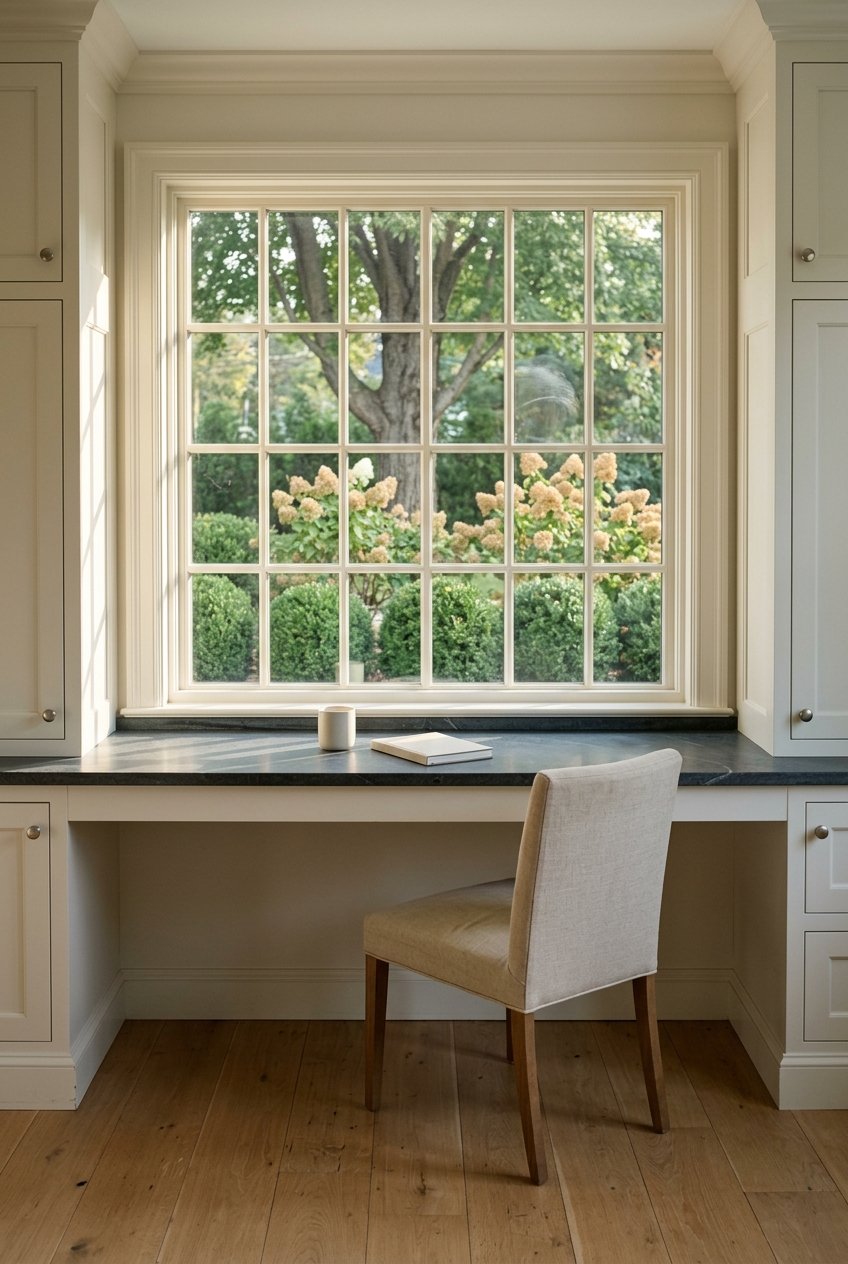
The National Park Service strongly favors repair over replacement for historic windows, especially when original elements are still serviceable. If replacement is truly necessary, the recommendation is to match the old feature in design, color, texture, and other visual qualities, and when possible, materials.
For many historic homes, the best pre-listing work is subtle. Weatherstripping, caulking, storm windows that are compatible with the original design, and targeted repairs can improve function without changing the home’s visual identity.
This matters in Wenham because preservation guidance generally distinguishes between ordinary maintenance and larger exterior alterations. The National Park Service notes in its preservation guidance that maintenance such as painting, caulking, and in-kind repairs is typically treated differently from remodeling or demolition, which are more likely to trigger review concerns in a local historic district context. You can see that distinction reflected in Wenham’s Historic District Commission information.
Try not to erase the home’s defining details in the name of making it feel newer. That may include original sash, trim, entry elements, roofline details, or other exterior features that contribute to the property’s historic character and streetscape.
A better goal is to present the house as cared for, functional, and coherent. Buyers looking at a historic Wenham property are often drawn to continuity, not a generic renovation that could belong anywhere.
Historic homes often attract emotionally invested buyers, but they also bring practical questions. If you answer those questions early, you can reduce uncertainty and make due diligence feel more manageable.
For many Wenham sales, buyers will ask about two things first: what is original, and what future costs or restrictions they should understand. The more clearly you address both, the smoother the transaction tends to be.
If your home was built before 1978, lead-based paint will almost always come up. The EPA requires most sellers of pre-1978 housing to provide known information about lead hazards, share available records or reports, and give buyers the EPA pamphlet before a contract is signed. The agency also notes that lead paint in good condition is usually not a hazard, while deteriorating paint is more concerning.
That means clarity matters more than alarm. If you have records, testing, or remediation history, organize it in advance so buyers can review it without confusion.
Older materials can raise asbestos questions, especially around floor tile, ceiling tile, pipe wrap, or insulation. The EPA says you cannot identify asbestos just by looking, and damaged materials or planned renovation work are common triggers for professional sampling.
For a seller, the practical takeaway is simple. If you already have reports, keep them accessible. If a known issue exists, present it clearly rather than letting buyers discover it late in the process.
Some older Wenham homes are not connected to sewer, so septic documentation can be a major part of buyer due diligence. The Massachusetts Department of Environmental Protection states that septic inspections generally must occur within two years before a sale, with limited flexibility if weather prevents inspection and the buyer is notified in writing.
If your property is on septic, this is one of the first items to line up before listing. Having the inspection timeline and paperwork ready can prevent delays and give buyers more confidence.
Buyers may also ask what they will be allowed to change later. In Wenham’s local historic district, exterior changes may be subject to commission review, while ordinary maintenance is usually treated differently. Pointing buyers to Wenham’s Historic District Commission process can help frame expectations in a factual, calm way.
A strong historic-home listing should do more than sound elegant. It should show why the property matters and how it has evolved over time.
Wenham offers unusually rich material for that kind of storytelling. The Wenham Museum archives include deeds, maps, manuscripts, and thousands of photographs documenting families, homes, and businesses in the area. Those resources can help support a property timeline, historical brochure, or captioned visual package that feels grounded and specific.
For a historic house, beauty shots alone are not enough. The town’s 2017 historic resources survey emphasized architectural quality, integrity, visibility, historical merit, and contribution to the streetscape.
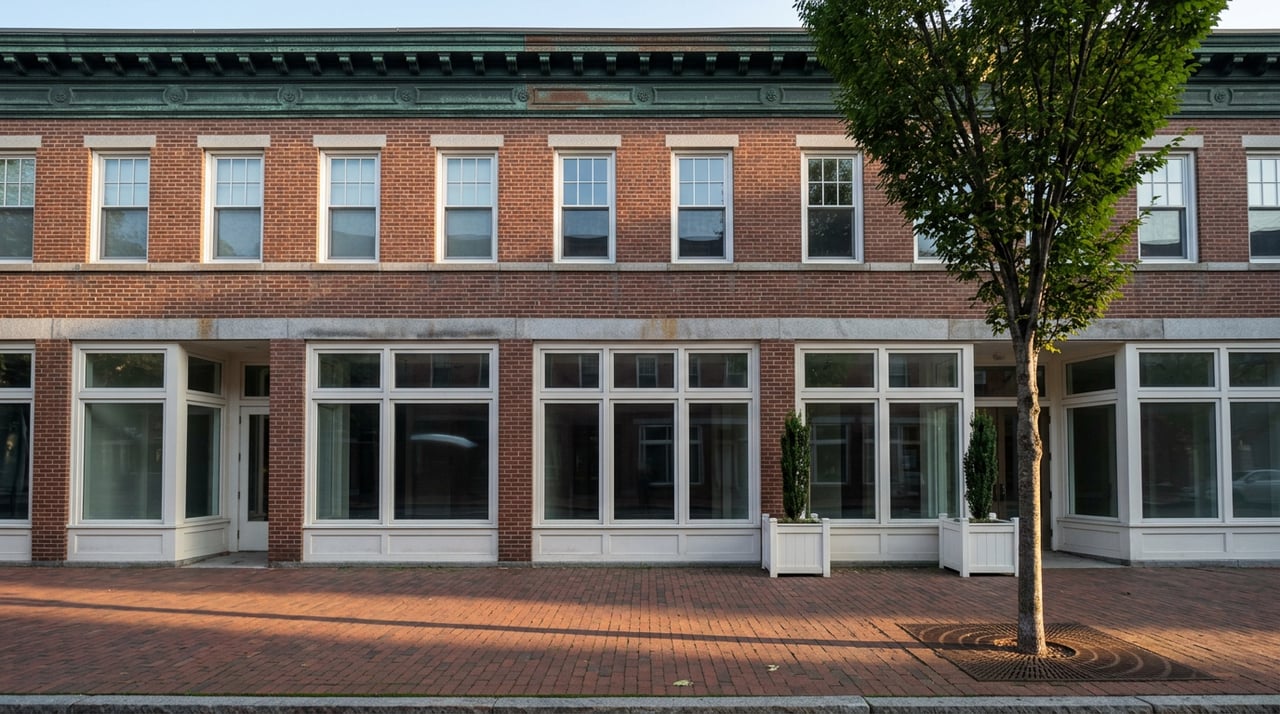
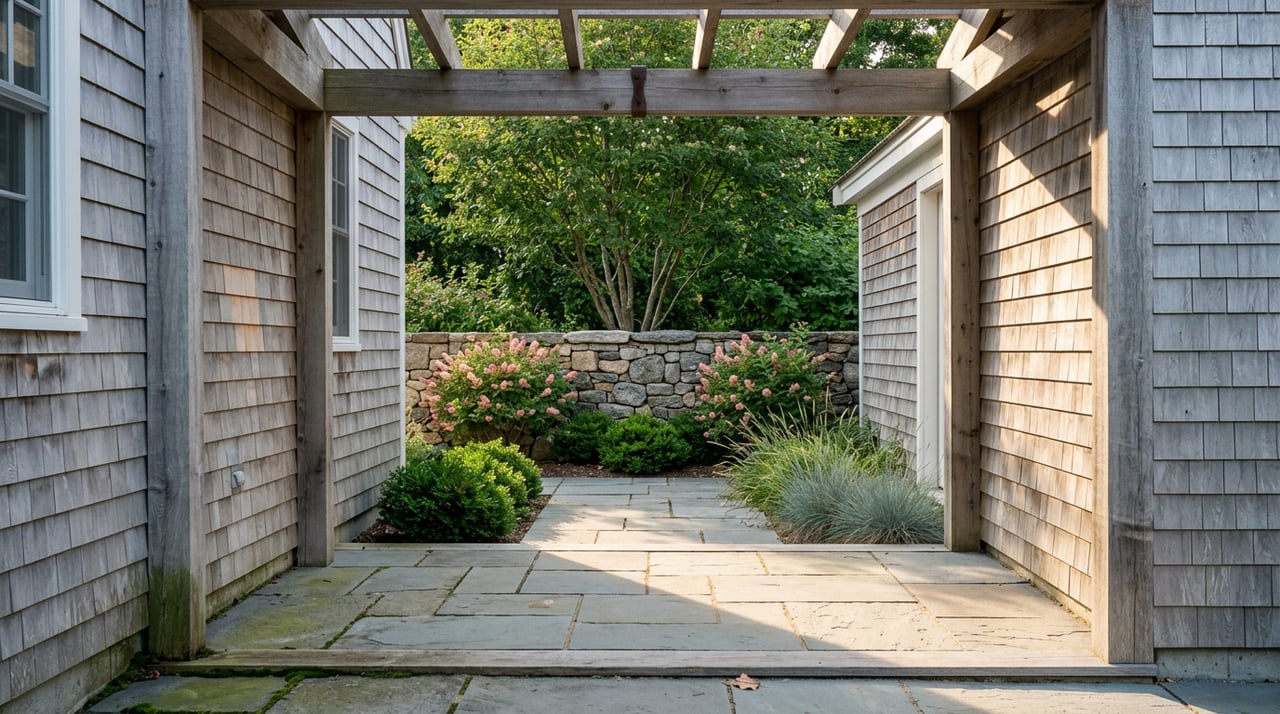
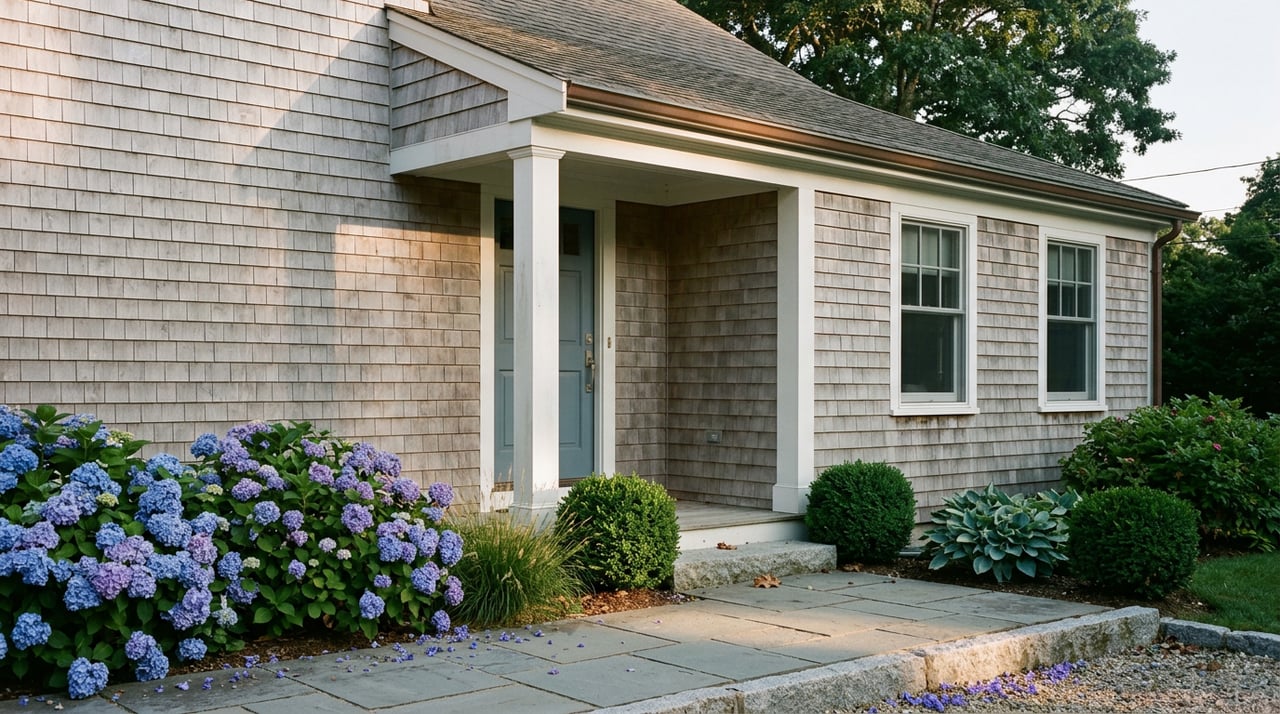
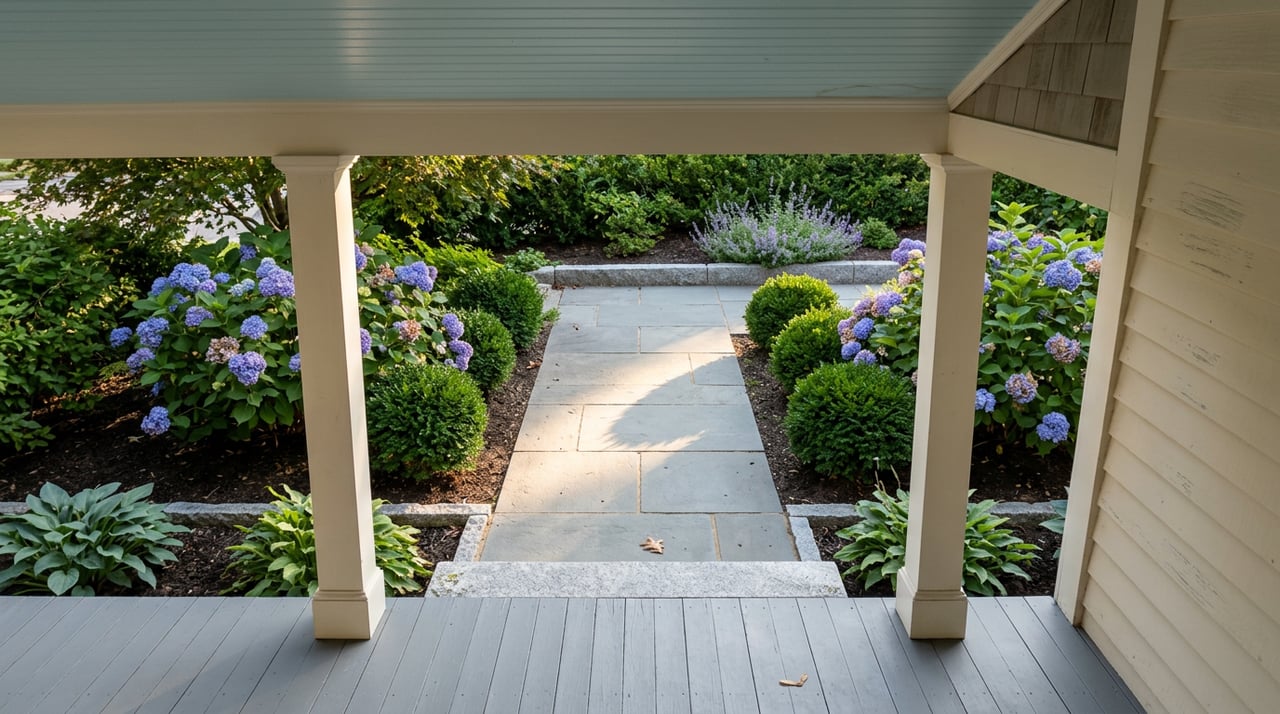
That suggests your marketing should show the house in context, not just in fragments. Prioritize images of the facade, entry, windows, roofline, trim, outbuildings, and how the home sits on the lot and along the street.
One of the most effective ways to preserve a home’s soul in the selling process is to create a brief chronology. This does not need to be long or academic. It simply needs to connect the home’s earlier life to its current condition.
A useful chronology might include:
This approach helps buyers see stewardship, not just age. It also reinforces that the home has been cared for with intention.
In a legacy property sale, presentation matters, but the message matters just as much. Buyers are often willing to pay more attention to older homes when the listing frames them as well-maintained, well-documented, and thoughtfully updated.
That is where high-level marketing can make a difference. Professional photography, polished visual storytelling, and a listing strategy that highlights both architectural detail and practical documentation can help a historic Wenham home attract the right audience without reducing it to a trend-driven makeover.
Selling a historic Wenham home without losing its soul is really about making careful choices. Repair what you can, document what you know, prepare for buyer questions, and tell the story with evidence. When you do that well, you preserve the home’s identity while making it easier for the next owner to appreciate what makes it special.
If you are preparing to sell a legacy property on the North Shore, Annie McClelland brings a high-touch, thoughtful approach to pricing, presentation, and marketing so your home can be shown with the care it deserves.
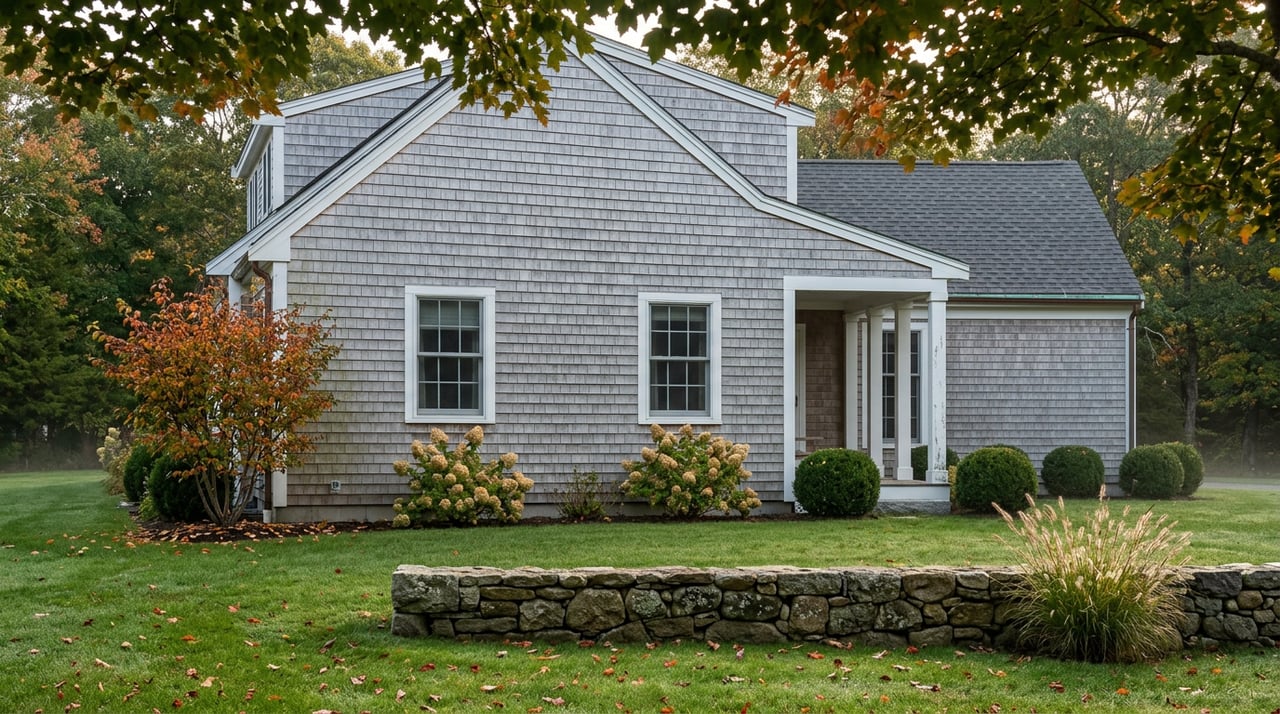
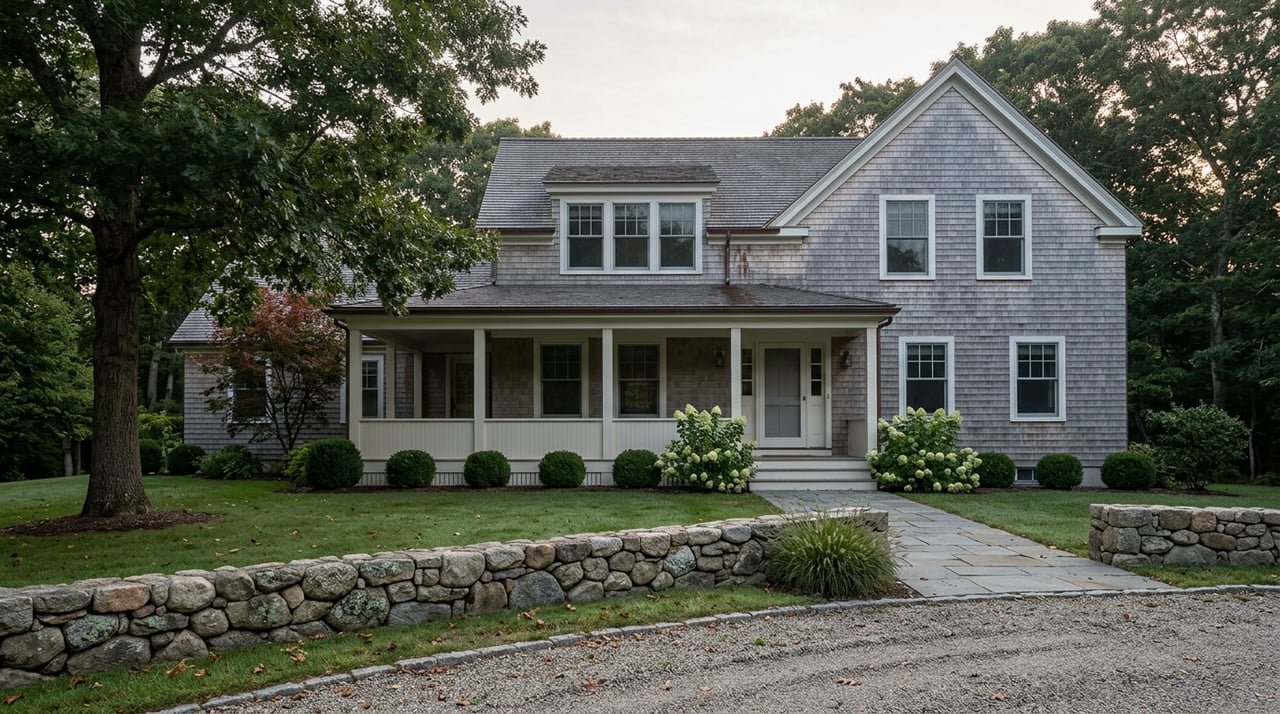
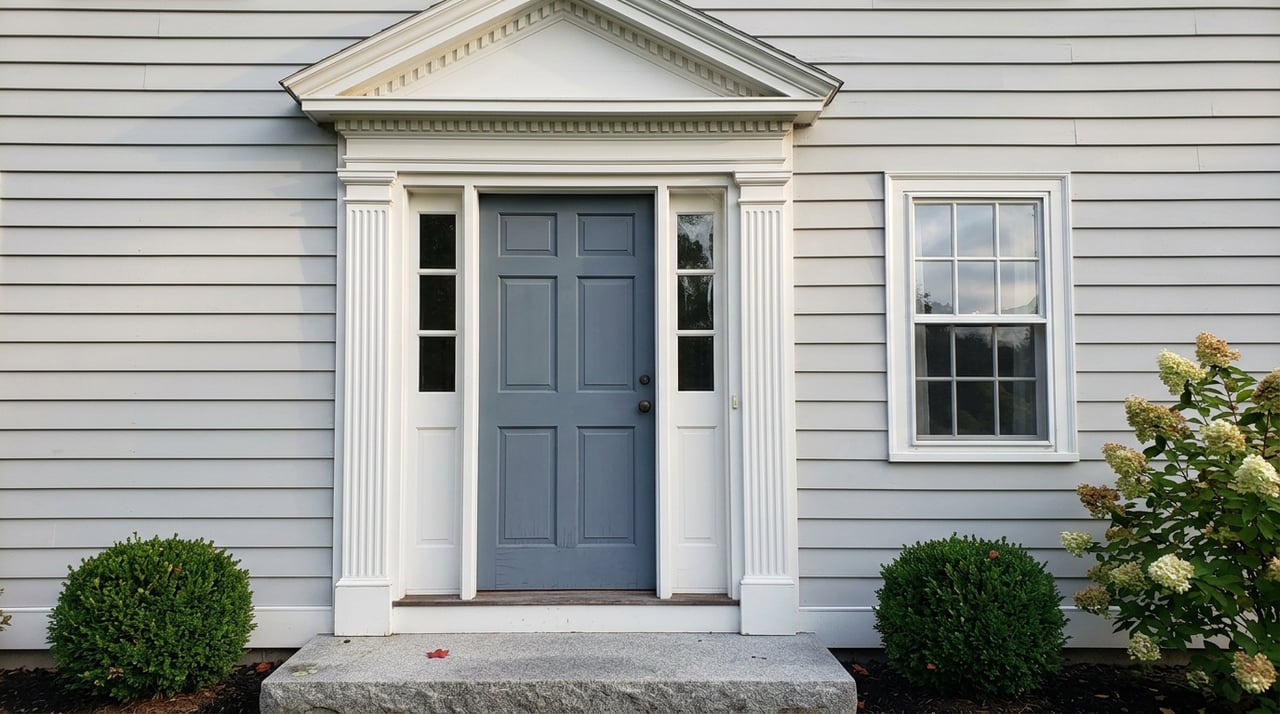

While our experience in sales, marketing, and negotiation gives us an edge, it’s the relationships with our clients, agents, and community that we value most. If you’re looking for honest guidance, creative solutions, and a team that genuinely loves what we do, we’d love to connect.

McClelland Del Rio Group
21 Central St Manchester by the Sea MA 01944