
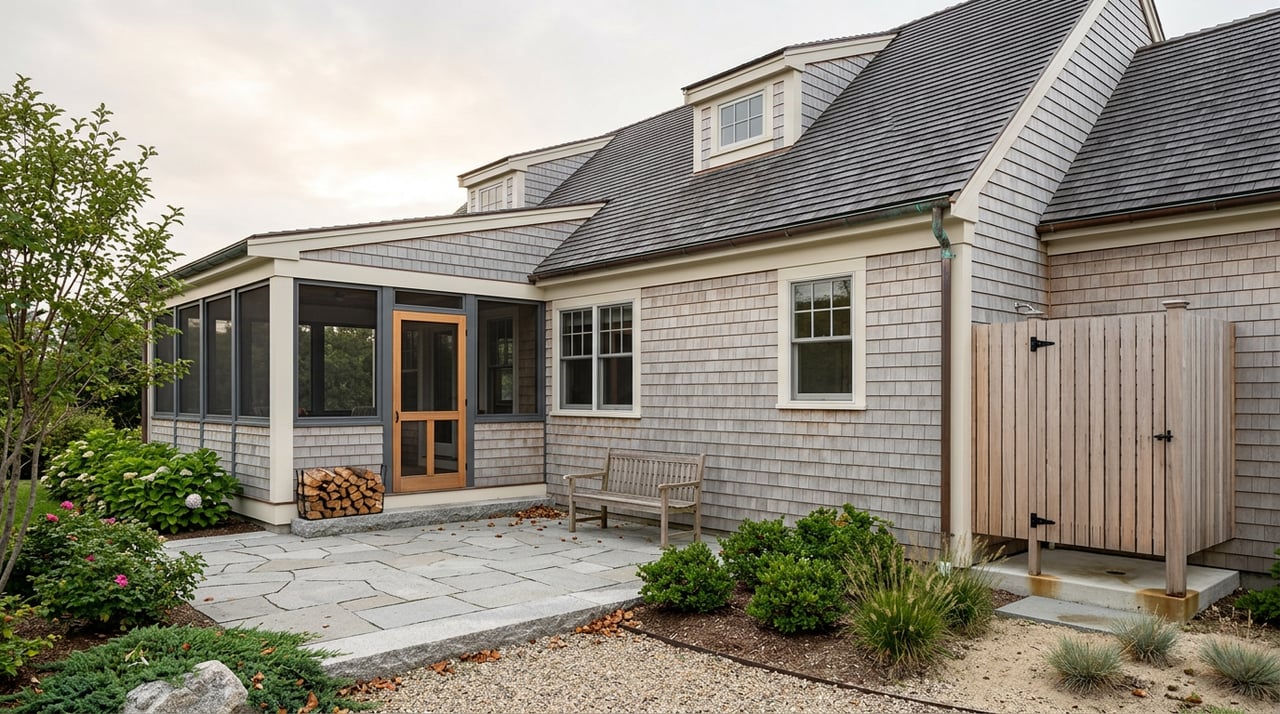
Is Gloucester calling your name for weekend escapes or a long-term coastal retreat? You are not alone. With classic beaches, a vibrant arts scene, and solid transit links to Boston, this Cape Ann city checks a lot of boxes for second-home buyers. In this guide, you will learn how Gloucester stacks up on price, access, seasonality, ownership costs, flood and insurance risks, and rental potential so you can make a confident decision. Let’s dive in.
Gloucester sits on Cape Ann about 30 miles northeast of Boston. It blends a working seaport identity with a lively arts community and miles of shoreline, from rocky headlands to sandy beaches. If you want culture, coastal scenery, and easy day-trip logistics, Gloucester is a strong fit.
Commuter rail service on the Newburyport/Rockport Line stops at Gloucester Station, which helps if you plan weekday trips or occasional telework days. You can confirm schedules and station details on the MBTA’s Rockport branch via the Gloucester station page on the Newburyport/Rockport Line. Check the latest Gloucester Station info.
Recent local listing portals showed Gloucester’s median sale price in the high six to high seven hundreds. In January 2026, several portals reported a median around $725,000, with notable variation by neighborhood and property type. Inventory is seasonal, so you will typically see more choice in spring and early summer.
Neighborhoods offer distinct flavors. Central and downtown Gloucester deliver walkable, historic streetscapes. East Gloucester and Rocky Neck draw art lovers and boaters, while addresses near Eastern Point and along favored beach corridors tend to command premium values. West Gloucester locations with access to Good Harbor or Wingaersheek also price at a premium thanks to beach proximity and summer demand. For current neighborhood trends and medians, review the latest local snapshots on major listing portals.
If you expect frequent winter visits, ask your agent to confirm year-round access conditions for any target street or peninsula, plus local snow-plowing practices.
Gloucester hums in summer. You will find beaches, whale-watching, boating, seafood dining, galleries, and festivals that draw visitors from across New England. This makes Gloucester attractive for second homes and can support short shoulder-season rentals, but it also means heavier traffic and limited parking in peak months. Get a feel for local attractions, beaches, and events through Cape Ann’s visitor resources. Explore Cape Ann arts, beaches, and events.
Shoulder seasons are calmer and rewarding if you prefer quieter walks, milder crowds, and brisk waterfront views. Winters are peaceful, and many year-round services remain accessible, which helps if you plan regular off-season stays.
Understanding carrying costs up front makes second-home ownership smoother. Build a working budget that includes the following line items.
Gloucester listed a residential tax rate of $9.31 per $1,000 of assessed value for FY2026. The math is simple: assessed value × tax rate ÷ 1,000 = annual property tax. For example, a home assessed at $800,000 would have a baseline annual tax of about $7,448. You can confirm the current rate on the city’s assessor page. Review Gloucester’s tax rate.
Many Gloucester properties sit near tidal waters, salt marshes, or exposed coasts. The city and state have documented local vulnerabilities related to sea level rise and coastal storms, so flood risk should be part of your due diligence for any near-water address. Start by reviewing the city’s climate vulnerability materials, then pull the FEMA Flood Map Service Center record for each property you are considering. See Gloucester’s climate vulnerability work and learn how flood insurance works.
A key point: standard homeowners policies usually do not cover flood damage. If a property lies in or near a mapped flood zone, ask for an elevation certificate and obtain quotes from both NFIP and private flood carriers before you finalize an offer.
Coastal homes and older buildings require attentive upkeep. Wind, salt air, and storms can accelerate wear on roofs, windows, decks, and seawalls or bulkheads. As a planning rule of thumb, budget about 1 percent to 4 percent of the home’s value per year for maintenance, reserving toward the higher end for older or highly exposed properties. See common maintenance cost ranges.
If you will be away for long stretches, factor in off-season checks, winterization, snow removal, and service-provider retainers. Boat owners should add mooring or marina fees. Confirm whether the home is on municipal sewer or a private system and ask about any seasonal road or dune-protection rules if the property sits near a barrier beach.
Short-term rental interest is common on Cape Ann, but the details matter. Massachusetts requires operators to register with the Department of Revenue and collect the state room occupancy excise tax, currently 5.7 percent, with local taxes or fees potentially added by the city. Start with the state’s guidance and registration portal. Review the Massachusetts room occupancy excise rules.
Local rules in Gloucester may include registration, inspections, occupancy limits, or other conditions. Because municipal regulations change, verify current requirements directly with Gloucester’s Inspectional Services or the City Clerk before you assume any property can operate as a short-term rental.
On the economics side, revenue is highly seasonal with summer as the peak. Full-service vacation-rental managers in beach markets often charge materially more than long-term managers. Industry sources show wide ranges depending on service level, with many full-service programs quoting a substantial share of gross rent. If rental income is part of your plan, use conservative off-season assumptions and confirm local data before you rely on projections. Compare common STR management fee structures.
Second-home mortgages follow different rules than primary residences. Lenders often require stronger credit, larger down payments or reserves, and may set limits on cash-out or rental use. Get a lender conversation started early so you understand program eligibility, reserves, and any occupancy conditions that could affect pricing. Read a practical overview of second-home financing differences.
Tax treatment can be nuanced. Mortgage interest deductions, property taxes, and rental-use allocations depend on how you use the home and current federal and Massachusetts rules. Discuss your plan with a CPA who can explain deductibility, depreciation, and reporting if you expect any rental activity. If you plan to rent short term, the DOR registration and excise tax framework will apply. Review the state’s excise framework.
Use this checklist to pressure-test whether a Gloucester second home fits your goals before you write an offer.
Ready to test-drive the Gloucester lifestyle and find the right fit for your goals and budget? Our boutique team combines deep Cape Ann expertise with the global reach of Gibson Sotheby’s to help you buy with clarity and confidence. Start a conversation with Annie McClelland for tailored guidance and on-the-ground insight.
While our experience in sales, marketing, and negotiation gives us an edge, it’s the relationships with our clients, agents, and community that we value most. If you’re looking for honest guidance, creative solutions, and a team that genuinely loves what we do, we’d love to connect.
McClelland Del Rio Group
21 Central St Manchester by the Sea MA 01944