

If your workweek starts and ends with a commute, where you live can shape your whole routine. You may want the calm of a North Shore town without losing practical access to Boston, and that balance can be hard to find. In Hamilton, you have a commuter rail stop, access to Route 1A and Route 128, and a housing mix that still leans strongly toward single-family living. This guide will help you understand what that means for your home search and how Hamilton compares with nearby options. Let’s dive in.
Hamilton offers a quieter rural-suburban setting in Essex County, but it is not cut off from the region. The town describes shops and businesses as being just blocks from the commuter train line, and its 2024 Master Plan focuses on transportation, housing, land use, and open space. For many busy professionals, that combination creates a useful middle ground between daily convenience and a slower-paced home base.
If you drive, Route 1A is the key road to know. Hamilton planning documents identify Bay Road, or Route 1A, as the town’s main regional arterial and note that it connects Hamilton to Route 128 and nearby communities. They also note that traffic can build in the town center during peak travel times, which is worth keeping in mind if you expect to drive often.
For many buyers, Hamilton’s biggest commuting advantage is the Hamilton/Wenham station. It sits on the MBTA Newburyport/Rockport Line, which provides direct rail access into Boston’s North Station area. That can make Hamilton especially appealing if you want a North Shore address but need a regular path into the city.
Commuter rail pricing varies by zone, with MBTA one-way fares listed from $2.40 to $13.25 across Zones 1A through 10. The MBTA also lists a $10 weekend pass, which can be useful if you head into Boston outside the workweek. For station parking, Hamilton/Wenham is listed at $4 on weekdays and $2 on weekends, with no overnight parking.
That last detail matters more than many buyers expect. If your schedule is hybrid, unpredictable, or travel-heavy, overnight parking limitations can affect how you plan your week. In nearby Beverly, station parking is listed at the same daily rates, but overnight parking is allowed.
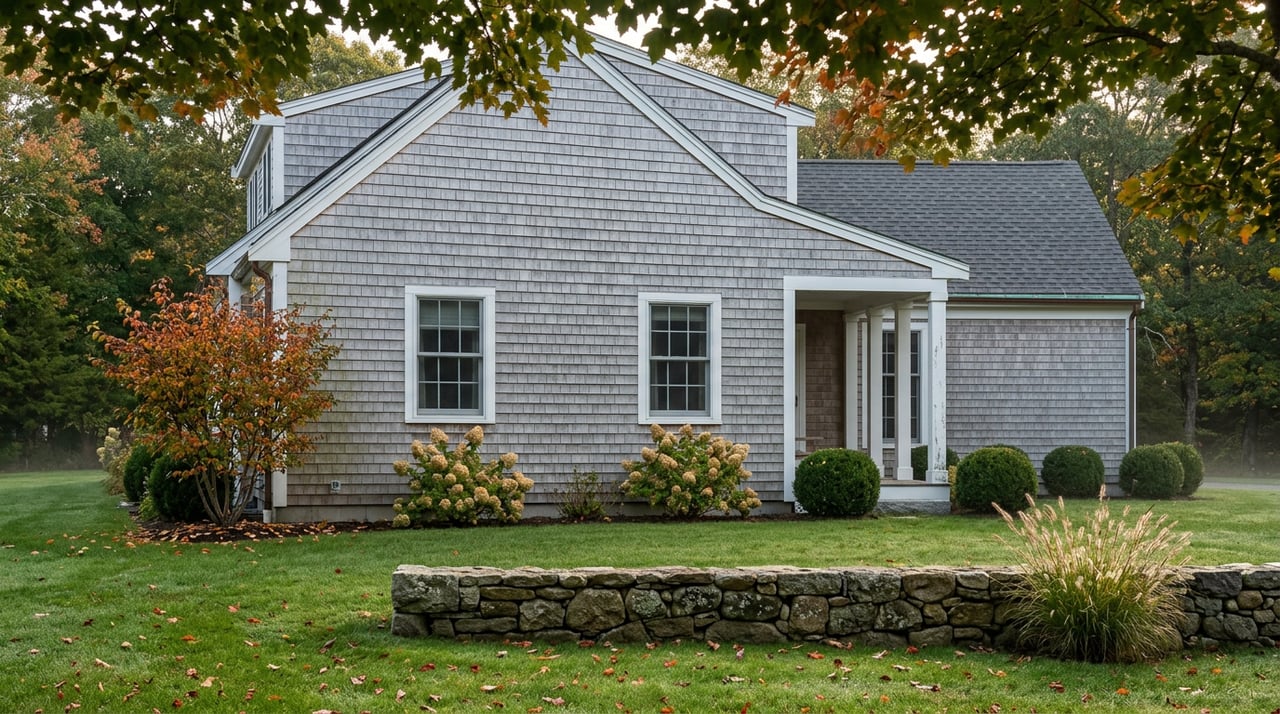
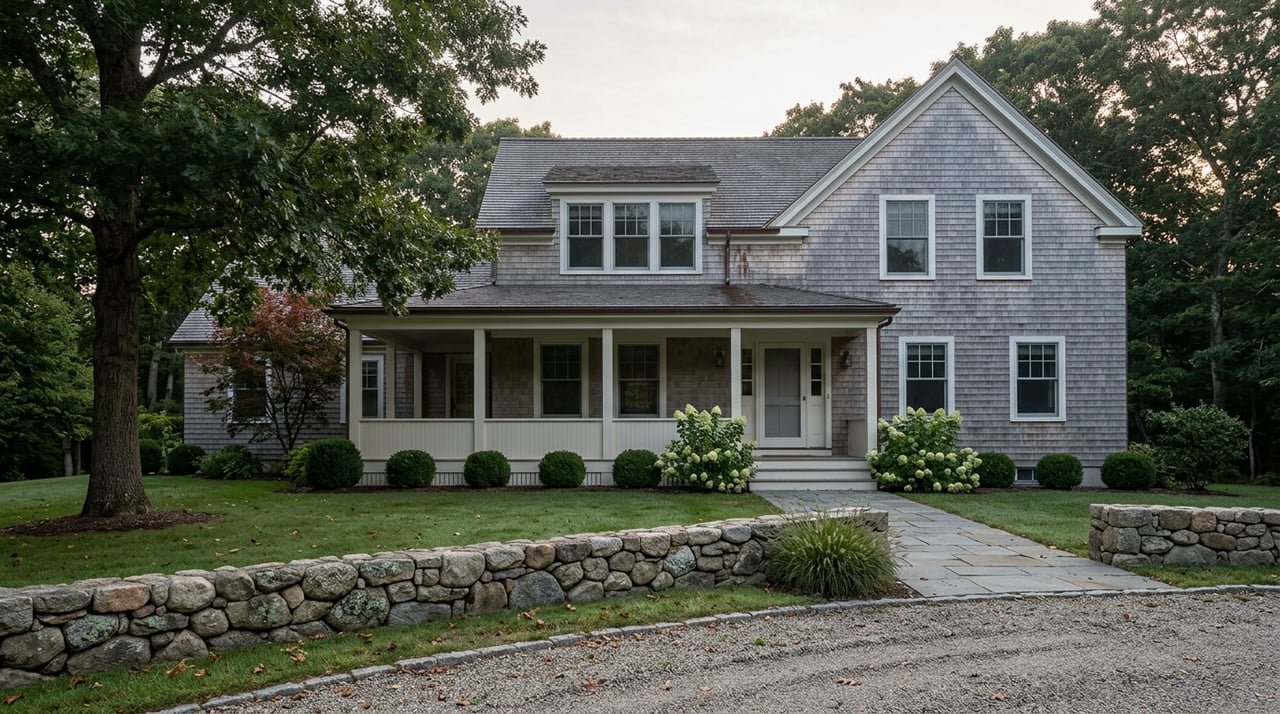
Hamilton still reads primarily as a single-family home market. The town’s housing plan estimated that about 86.2% of housing units were single detached, while about 10% were in multifamily structures. Census QuickFacts also show an owner-occupied housing rate of 84.7%, which supports the picture of a town where ownership and detached homes dominate the landscape.
For buyers, that means Hamilton is often a fit if you want more space, more privacy, and a traditional suburban housing profile. It may be less ideal if your top priority is a large inventory of condos or apartment-style homes near transit. The tradeoff is clear: Hamilton offers commuter access, but not in a heavily urban housing setting.
The town’s Census QuickFacts list a median value of $720,000 for owner-occupied homes. While that figure does not define every listing or price point, it does give you a useful snapshot of the market’s general level. If you are comparing North Shore towns, it can help set expectations early.
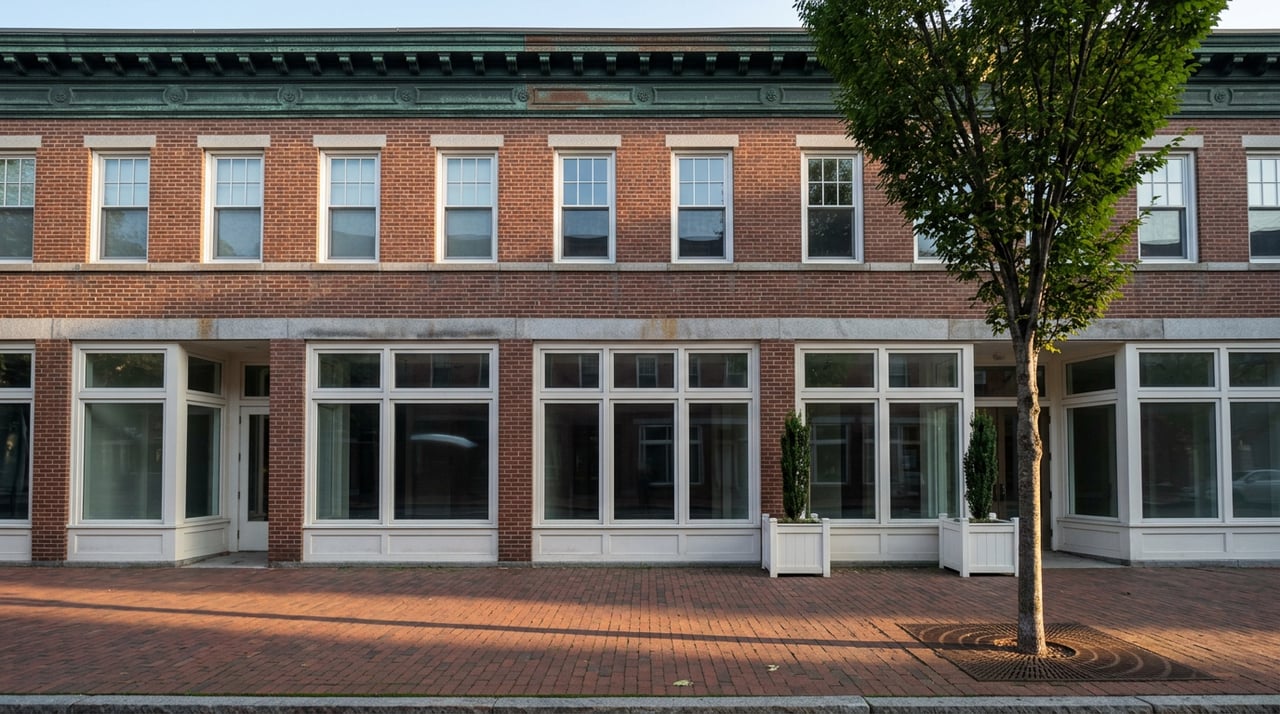
If rail access is central to your search, the town center deserves close attention. Hamilton’s local zoning response under the MBTA Communities law includes Town Center zoning with Bay Road Mixed-Use, Willow Street Mixed-Use, and Downtown Residential sub-districts, along with a multifamily overlay on Asbury Street. Those updates create more flexibility for residential development in and around the town center and station area.
Under Massachusetts’ MBTA Communities law, MBTA-served towns are required to zone for multifamily housing as of right in a district of reasonable size, generally within a half-mile of transit and at a minimum gross density of 15 units per acre. Hamilton’s FAQ repeats that standard and explains that the town’s zoning approach is designed to comply while still keeping site plan review and other development rules in place. For buyers, the practical takeaway is that the station-area core is the place to watch for the most transit-oriented housing opportunities.
Outside that core, Hamilton remains much more oriented toward detached homes on larger lots. The town also notes that it does not have a municipal sewer system, which is one reason larger multifamily development remains constrained. That helps explain why housing choice is growing in some targeted areas without changing the overall character of the market.
A good commute is not just about mileage or train access. It is also about how your home supports the rest of your day. In Hamilton, the right fit often depends on whether you want to optimize for train convenience, home size, privacy, or a mix of all three.
Here are a few practical questions to ask as you search:
These questions can help narrow your search fast. In a town like Hamilton, where the housing stock is not uniform, your day-to-day routine should guide your priorities.
For some buyers, Hamilton makes the most sense only after comparing it with nearby towns. Wenham and Beverly are especially relevant because they share commuter rail access but offer different housing patterns and town-center experiences. Looking at all three can help you decide what kind of commute lifestyle you actually want.
Wenham is also an MBTA commuter rail community and is working through its own Section 3A planning process. Its planning materials recommend mixed-use opportunities in the MBTA overlay district and near the train station to encourage more housing options and walkable areas. That said, Wenham still reads as a lower-density, owner-occupied community.
Its housing needs assessment reported very high owner occupancy, with 84.8% owner-occupied units in 2010 and an estimated 87.2% in 2014. Rental units were estimated at 12.8%. For commuters, Wenham can be a useful comparison if you want a village feel first and transit convenience second.
Beverly offers a broader rail-oriented housing mix than either Hamilton or Wenham. The city’s MBTA Communities materials state that Beverly already has zoning around Beverly Depot that allows multifamily housing by right, and its proposed overlay district covers about 98 acres with capacity for 2,063 multifamily units at roughly 21 units per acre. Beverly also has multiple commuter rail stops on the Newburyport/Rockport Line, including Beverly, North Beverly, Beverly Farms, and Montserrat.
That station choice gives buyers more flexibility. If your top priority is finding condos, multifamily options, or housing close to rail, Beverly may offer more paths than Hamilton. Census QuickFacts show Beverly with a 60.1% owner-occupied rate and a median owner-occupied home value of $650,300, which points to a more mixed housing stock overall.
Hamilton is often strongest for buyers who want train access without giving up a primarily suburban housing stock. You can still find direct commuter rail access to Boston, but the town remains rooted in single-family living more than station-area density. That makes it appealing if you want your commute to work for you without making your home life feel too urban.
In practical terms, Hamilton may be a strong fit if you want:
If you want the widest possible selection of rail-adjacent housing, Hamilton may feel limited compared with Beverly. But if your goal is a balance of commuter convenience and a more traditional suburban setting, Hamilton stands out on the North Shore.
When you are balancing work demands with a home search, clarity matters. Start by deciding whether your commute is the main priority or one part of a bigger lifestyle picture. In Hamilton, that answer can shape whether you focus tightly on the station area or cast a wider net across town.
It also helps to compare Hamilton with nearby alternatives before you commit to one path. A buyer who wants a classic single-family setting may land in Hamilton, while a buyer who wants more housing formats near rail may prefer Beverly. Seeing those differences early can save time and lead to better choices.
If you are exploring Hamilton or comparing it with other North Shore commuter towns, working with a local advisor can help you weigh inventory, location, and routine in a more realistic way. For tailored guidance on Hamilton and nearby North Shore communities, connect with Annie McClelland.


While our experience in sales, marketing, and negotiation gives us an edge, it’s the relationships with our clients, agents, and community that we value most. If you’re looking for honest guidance, creative solutions, and a team that genuinely loves what we do, we’d love to connect.

McClelland Del Rio Group
21 Central St Manchester by the Sea MA 01944