
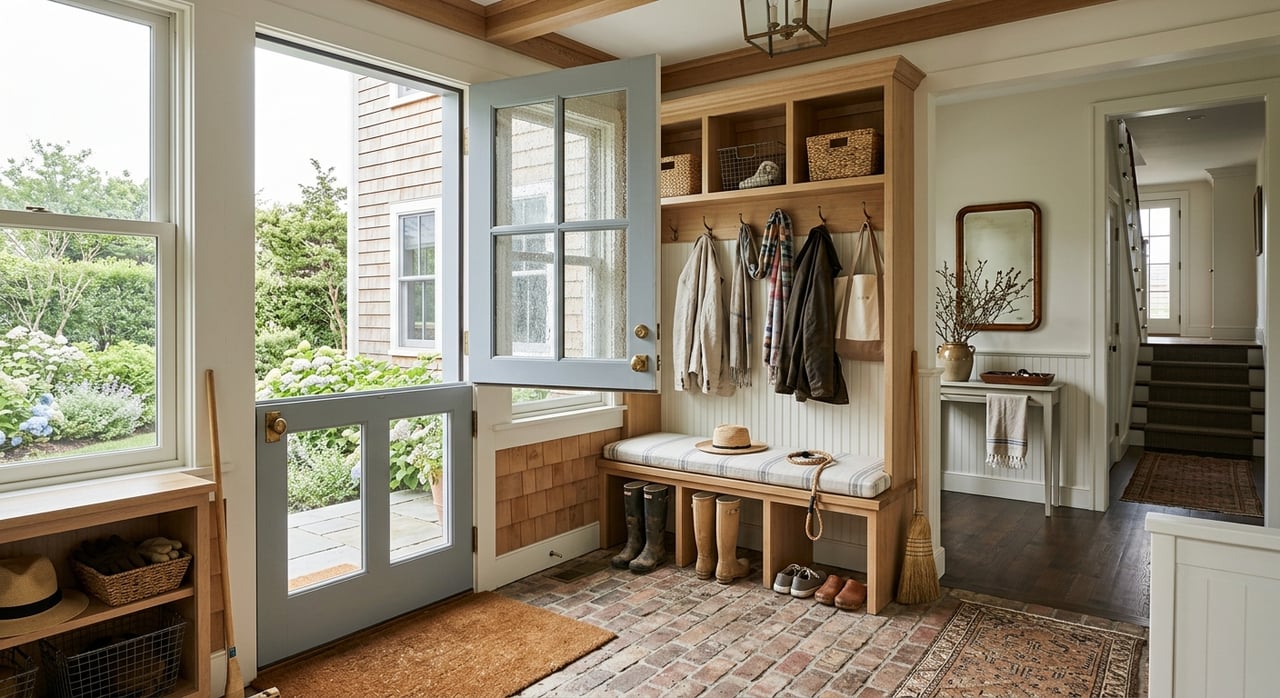
Thinking about trading Boston’s density for more space on the North Shore? Hamilton can feel like a big lifestyle shift, but for many buyers, that is exactly the point. If you are considering a move, it helps to know how commuting, housing, daily routines, and the town’s overall pace really work before you make the leap. Let’s dive in.
Hamilton is about 23 miles northeast of Boston in Essex County, and it functions very differently from a city neighborhood. Town materials describe it as a rural-suburban community shaped by pastoral landscapes, historic homes, tree-lined roads, stone walls, and equestrian heritage.
If you are coming from Boston, one of the first things you will notice is the lower-density feel. Hamilton has a 2024 estimated population of 7,670 across about 14.18 square miles, which creates a quieter day-to-day environment than most city areas.
The town also notes that it has no manufacturing industry or industrially zoned land. In practical terms, that supports Hamilton’s identity as a primarily residential and open-space community.
A move from Boston to Hamilton does not mean losing access to the city, but it does mean adjusting your expectations. Hamilton is served by the MBTA Commuter Rail on the Newburyport/Rockport Line, and town materials describe the service as a convenient transit option to and from North Station.
That said, this is commuter rail, not subway service. Your routine will likely feel more scheduled and regional, especially if you are used to frequent urban transit options.
Driving also plays a major role in everyday life. Route 1A runs through town, and the closest major highway is Route 128 in Beverly.
The Census Bureau’s 2020-2024 estimates put the mean travel time to work at 32.3 minutes. For many newcomers, that points to a rail-plus-car lifestyle where the train supports Boston access and driving handles errands, school drop-offs, and regional travel.
If your home search in Boston has involved condos, multifamily buildings, or compact lots, Hamilton may feel like a very different market. According to the town’s 2024 Master Plan, 83.5% of Hamilton’s housing units are detached one-unit homes.
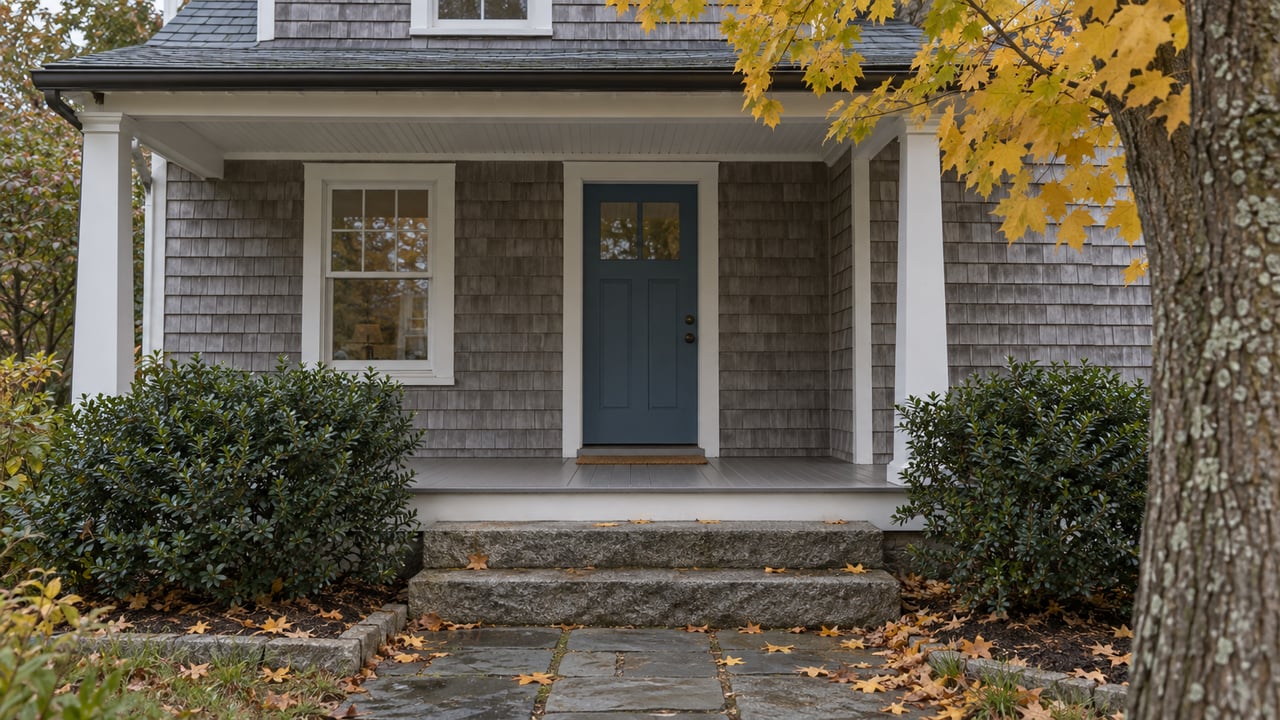
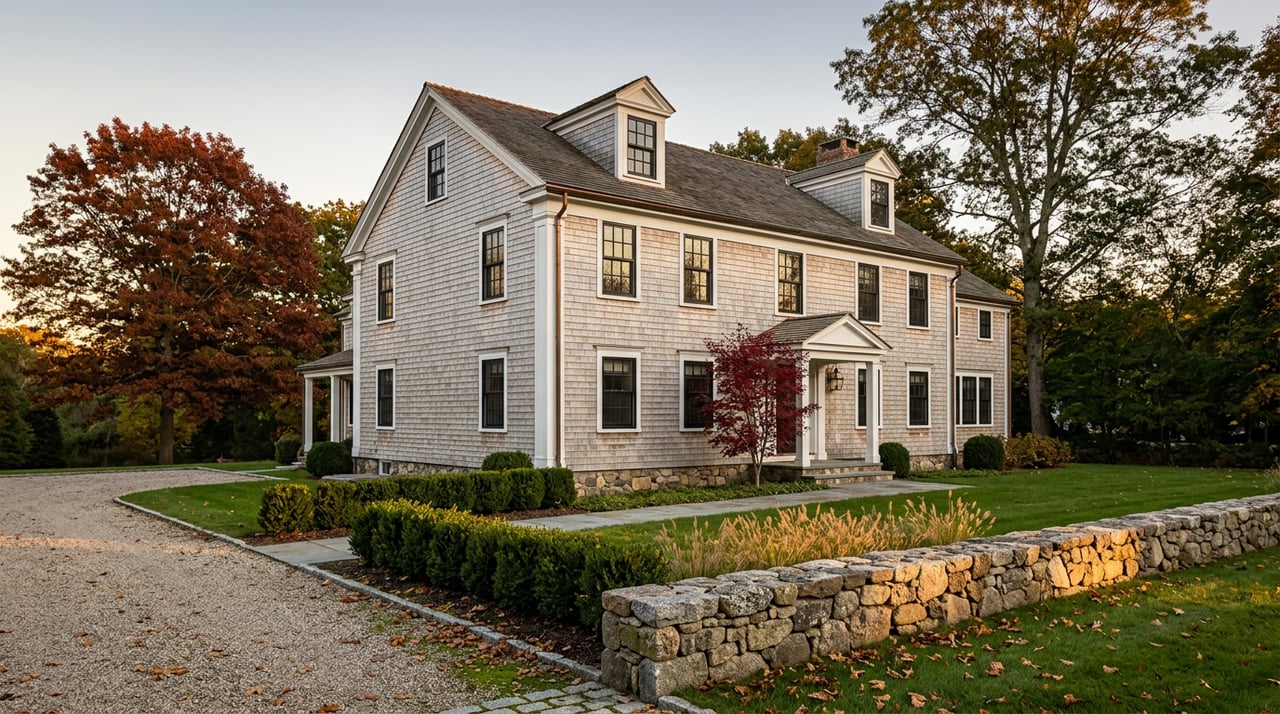
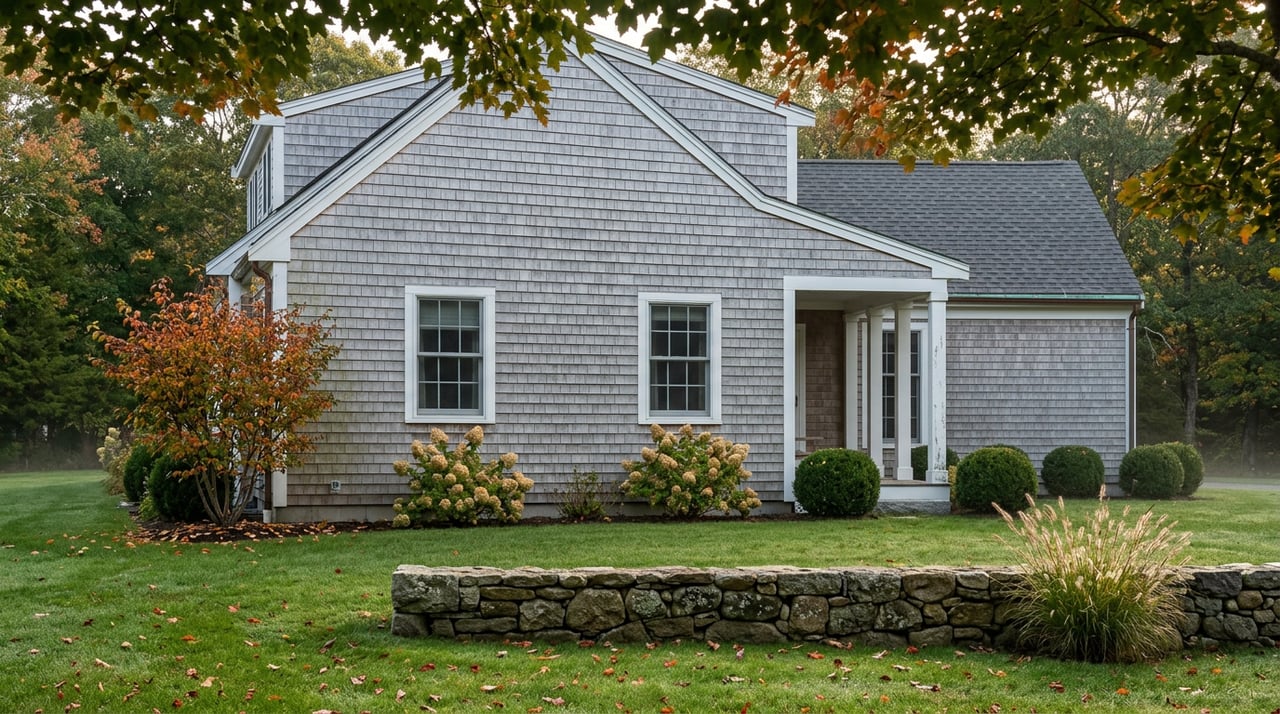
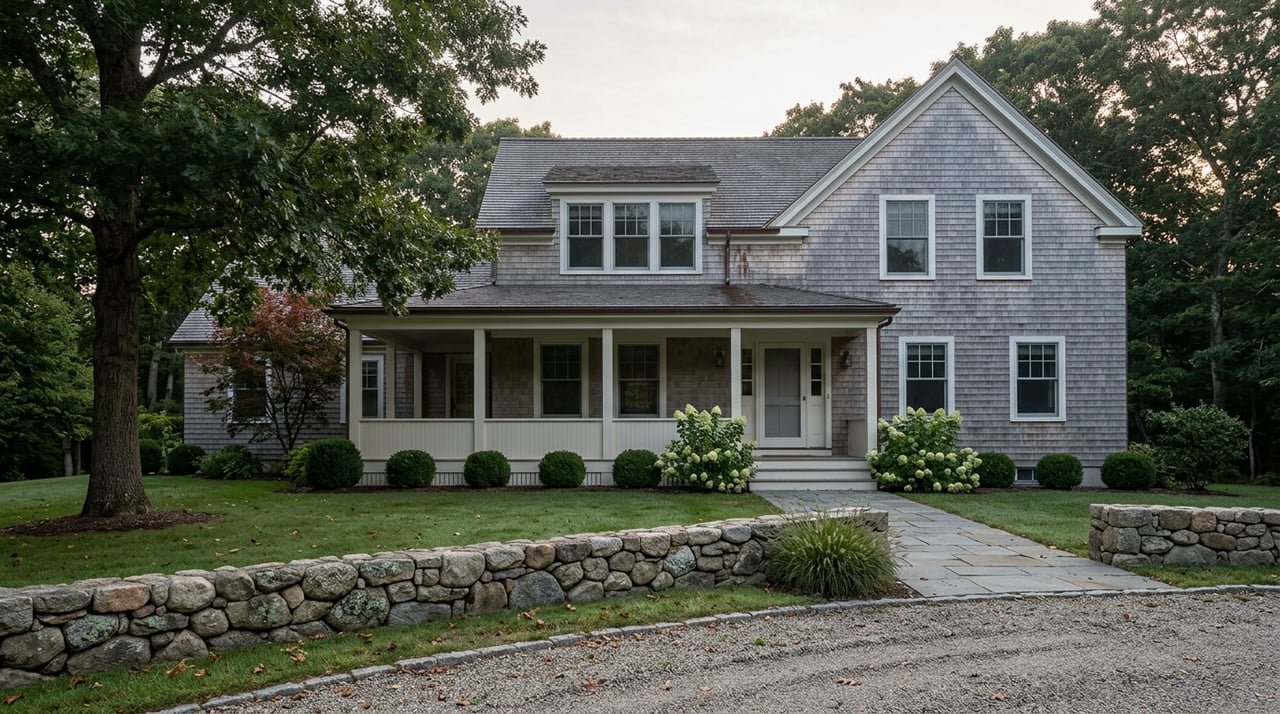
That housing mix shapes both the look and the lifestyle of the town. You will find a setting that leans much more toward standalone homes and less toward dense residential buildings.
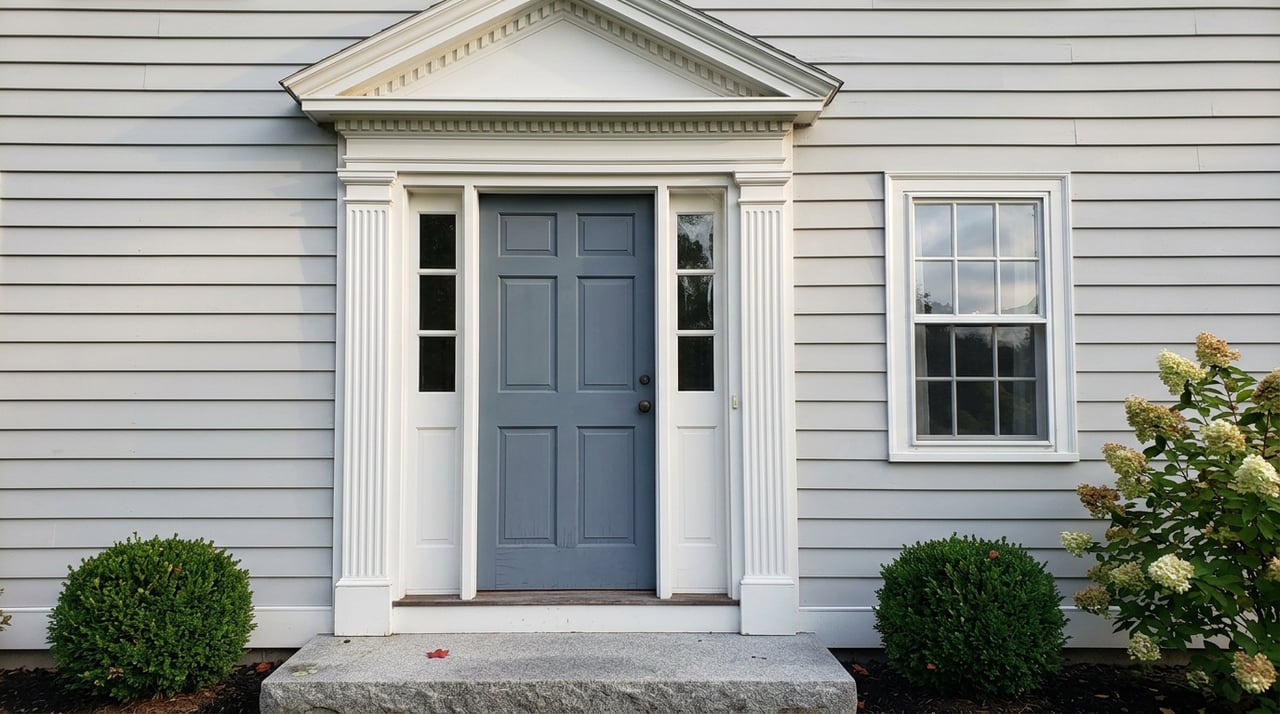
Hamilton’s housing character is also varied within that single-family-heavy market. The Master Plan describes architectural patterns that include historic estates, the cottages of Asbury Grove, downtown neighborhoods, and suburban-style cul-de-sacs.
For buyers, that means Hamilton is not one-note. Even within a smaller town, you can find different settings depending on whether you want village proximity, historic character, or a more traditional suburban layout.
Age matters in Hamilton’s housing market. The Master Plan says more than a quarter of the town’s homes were built in or before 1939, and about two-thirds are more than 50 years old.
Only an estimated 184 housing units have been built since 2000. That suggests a market where older homes, long-established neighborhoods, and renovations play a larger role than brand-new inventory.
If you are moving from Boston and hoping for turnkey new construction, you may find fewer options than in some faster-growing suburbs. On the other hand, if you appreciate architectural character and established surroundings, Hamilton may offer exactly the kind of housing environment you want.
Hamilton is not an entry-level market, so budgeting carefully matters. In the Census Bureau’s 2020-2024 estimates, the median owner-occupied home value is $720,000.
The same estimates show a median monthly owner cost with a mortgage of $3,539. Those numbers are useful for setting expectations if you are comparing Hamilton with Boston neighborhoods or nearby North Shore towns.
The town also has a high owner-occupancy rate at 84.7%, which reflects a market with a strong base of owner-occupied housing. For many buyers, that can translate into a more residential feel and relatively limited turnover compared with denser urban areas.
One of the most important things newcomers should understand is that Hamilton does not operate in isolation. Hamilton and Wenham share a school system, library, recreation department, commuter rail station, and newspaper.
That shared setup shapes everyday life in a practical way. You may live in Hamilton, but many routines and community touchpoints naturally extend across the town line.
For someone moving from Boston, this can take a little getting used to at first. Over time, though, it often feels less like two separate places and more like one connected local area for schools, activities, and services.
For households planning around school logistics, the shared district is a key detail. The Hamilton-Wenham Regional School District serves about 1,684 students from preschool through grade 12 and includes one high school, one middle school, and three elementary schools.
The district was established by the citizens of Hamilton and Wenham together, so school governance and day-to-day school life are regional by design. If schools are part of your move decision, it is helpful to think in terms of the Hamilton-Wenham system rather than only one town.
Hamilton’s daily rhythm is different from Boston’s block-by-block convenience, but it still offers practical essentials. The town’s Shop Local information says businesses are clustered just blocks from the commuter train line and include grocery, pharmacy, bank, restaurants, health care, and beauty services.
That means errands are available locally, though usually in a more concentrated village-style setting rather than spread across dense commercial corridors. For many newcomers, that is part of the appeal.
Community life also leans heavily on shared civic amenities and outdoor access. The Hamilton-Wenham Public Library serves informational, educational, cultural, and recreational needs, and the recreation department offers a broad range of programs with online registration.
The Patton Homestead grounds are open to the public for recreation and gatherings. Chebacco Woods is open from dawn to dusk for hiking, biking, jogging, equestrian use, kayaking, canoeing, and fishing.
If you are leaving Boston for more room and easier access to nature, these amenities may become part of your regular routine much faster than you expect.
Some newcomers assume smaller towns stay exactly the same year after year. Hamilton’s planning documents tell a more nuanced story.
A 2025 town-center zoning draft says the district is intended to preserve historic village character, support walkability, and allow a broader mix of housing types while keeping new development consistent with the existing context. In other words, the town center is evolving, but with a clear focus on scale and fit.
That matters if you are looking for a place that values character yet still plans for the future. Hamilton is not trying to become Boston, but it is also not treating change as off-limits.
For many buyers leaving Boston, Hamilton’s biggest draw is not one single feature. It is the combination of more space, established homes, regional rail access, shared civic resources, and a quieter daily pace.
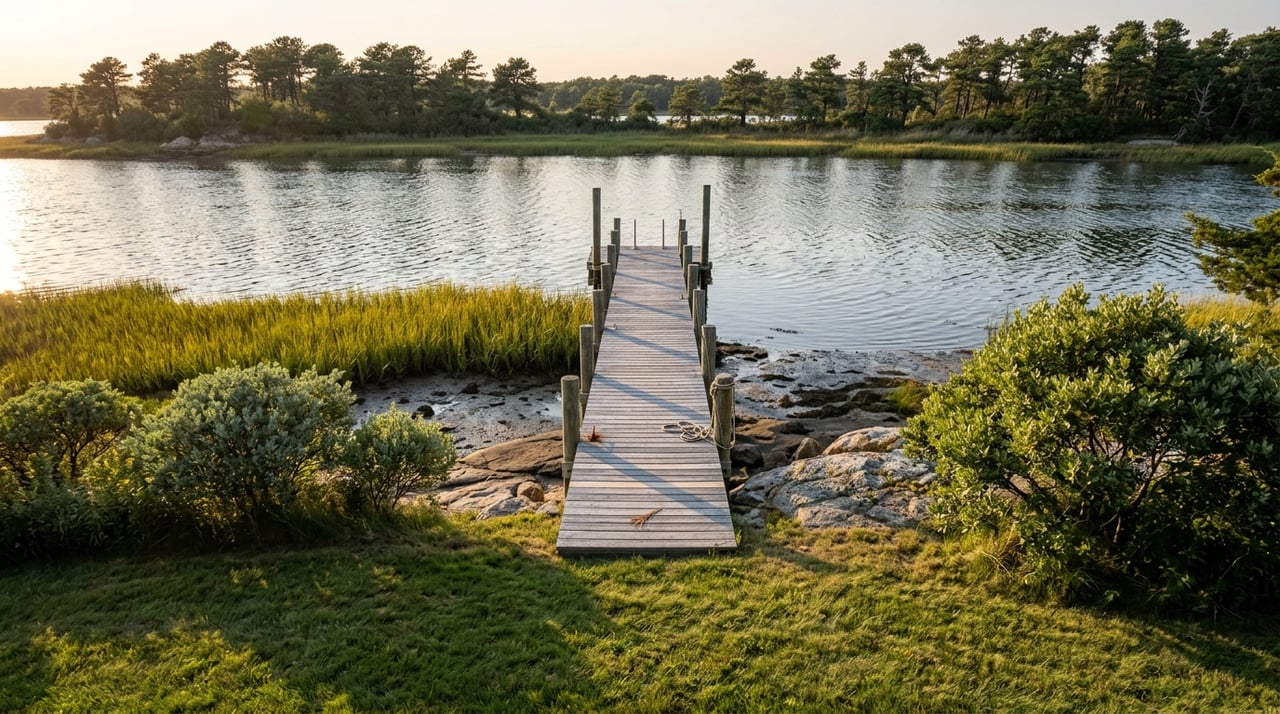
The town also emphasizes easy access to the Atlantic seashore, beaches, and boating. If you want a North Shore lifestyle that balances commuting practicality with open space and community amenities, Hamilton stands out for that mix.
A move like this works best when your home search matches how you actually want to live. If you are drawn to village-scale errands, older housing stock, commuter rail access, and a more residential environment, Hamilton may feel like a natural next step.
If you are exploring a move from Boston to Hamilton and want tailored guidance on neighborhoods, housing options, and what fits your lifestyle, Annie McClelland can help you navigate the North Shore with clarity and confidence.
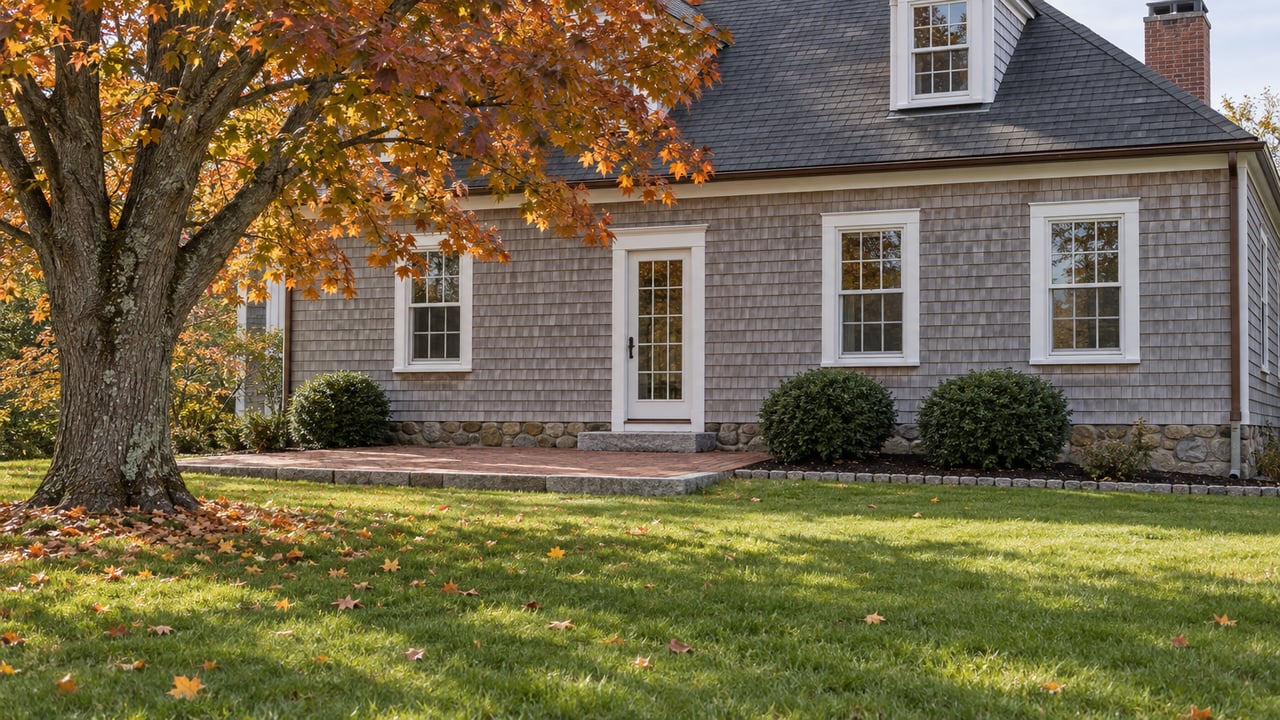
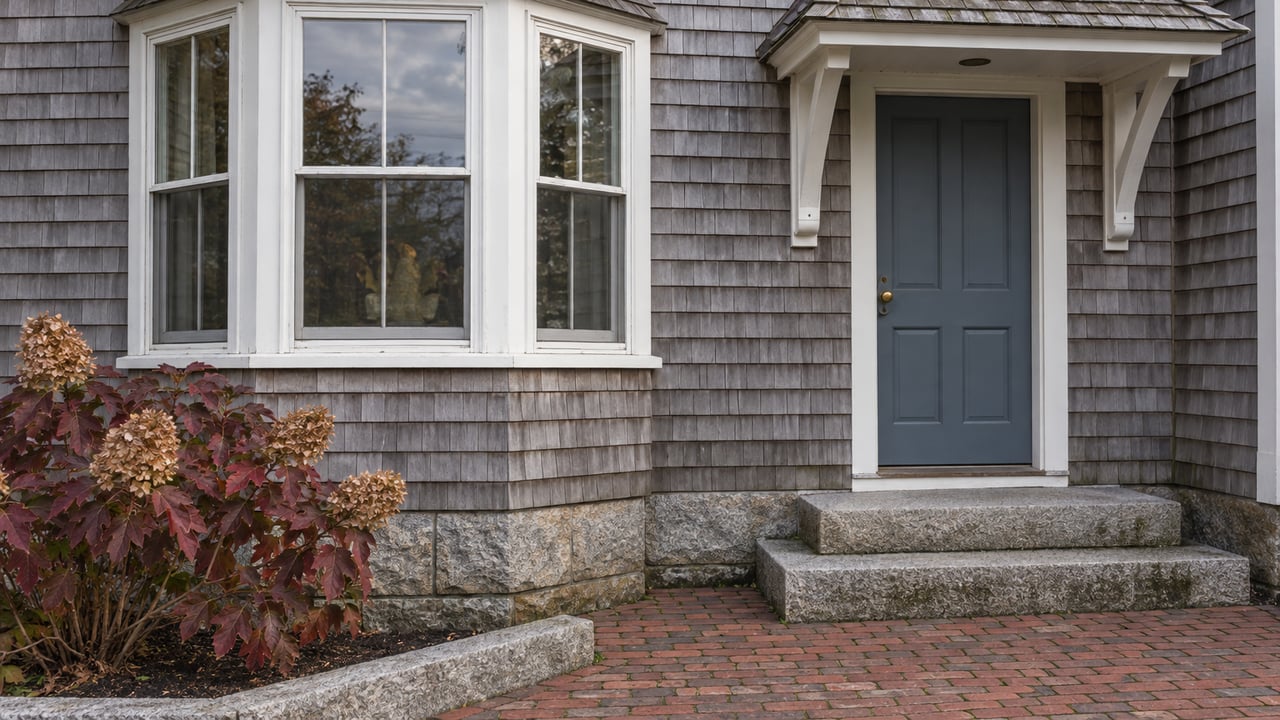
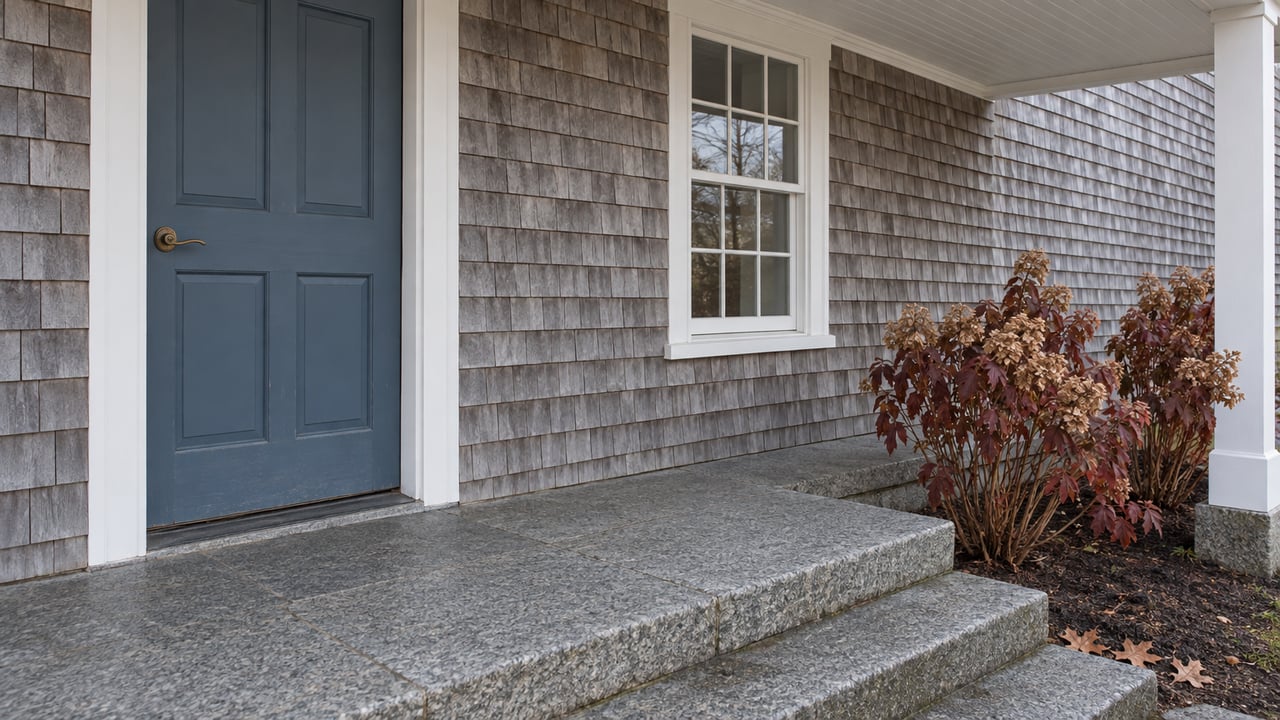
While our experience in sales, marketing, and negotiation gives us an edge, it’s the relationships with our clients, agents, and community that we value most. If you’re looking for honest guidance, creative solutions, and a team that genuinely loves what we do, we’d love to connect.
McClelland Del Rio Group
21 Central St Manchester by the Sea MA 01944