
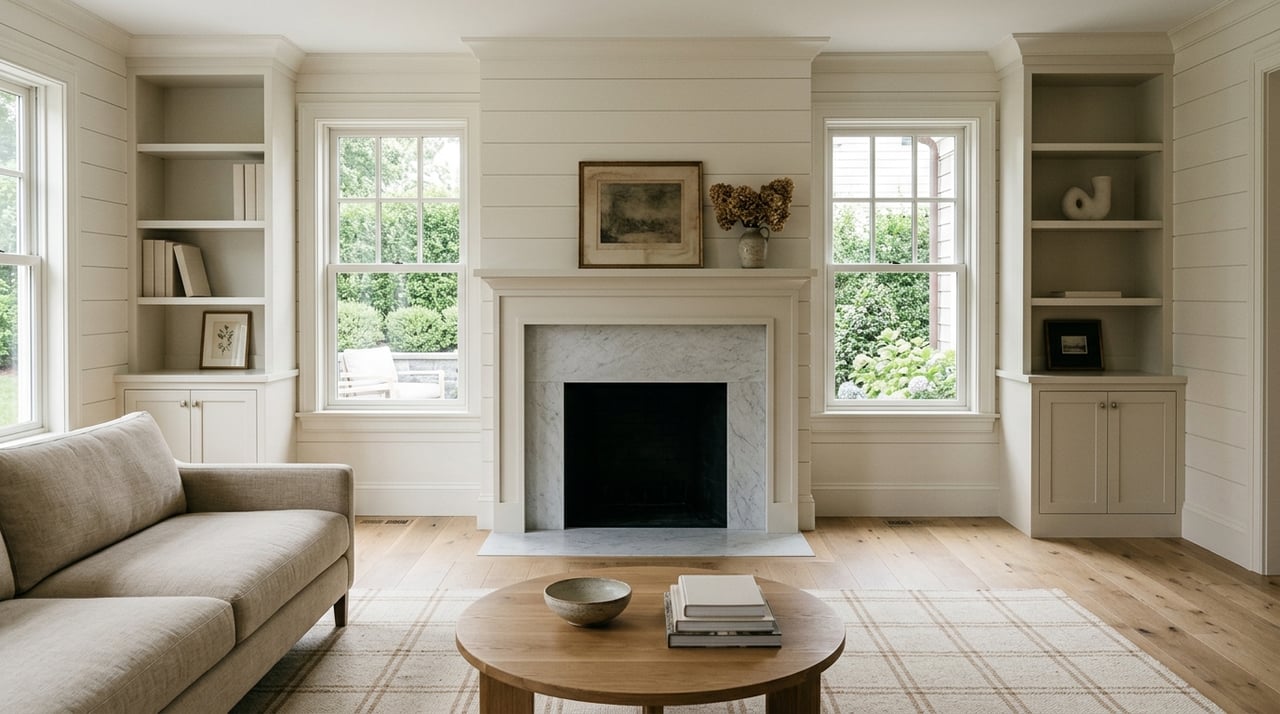
What makes one Hamilton home feel unforgettable online while another gets scrolled past? In a town where setting, architecture, and local character carry real weight, the answer is rarely luck. If you are preparing to sell, the way your home is presented can shape how buyers understand its value from the very first click. Let’s look at how boutique, high-impact marketing helps Hamilton homes stand out and why that approach matters here.
Hamilton is not a one-size-fits-all market. The town has an estimated 7,674 residents, a high owner-occupancy rate of 84.7%, and a median owner-occupied home value of $720,000. That points to a stable, equity-rich community where buyers and sellers often pay close attention to presentation, trust, and long-term value.
The town’s identity also matters. Hamilton’s planning documents emphasize natural resources, open space, recreation, and cultural and historic resources. That means buyers are often responding to more than square footage alone. They are also evaluating setting, privacy, architectural character, and how a home fits into the broader North Shore lifestyle.
Boutique marketing is not about doing more for the sake of it. It is about doing the right things, in the right order, with a clear strategy behind every step. For Hamilton sellers, that usually means combining thoughtful storytelling, polished visuals, digital reach, and careful showing management.
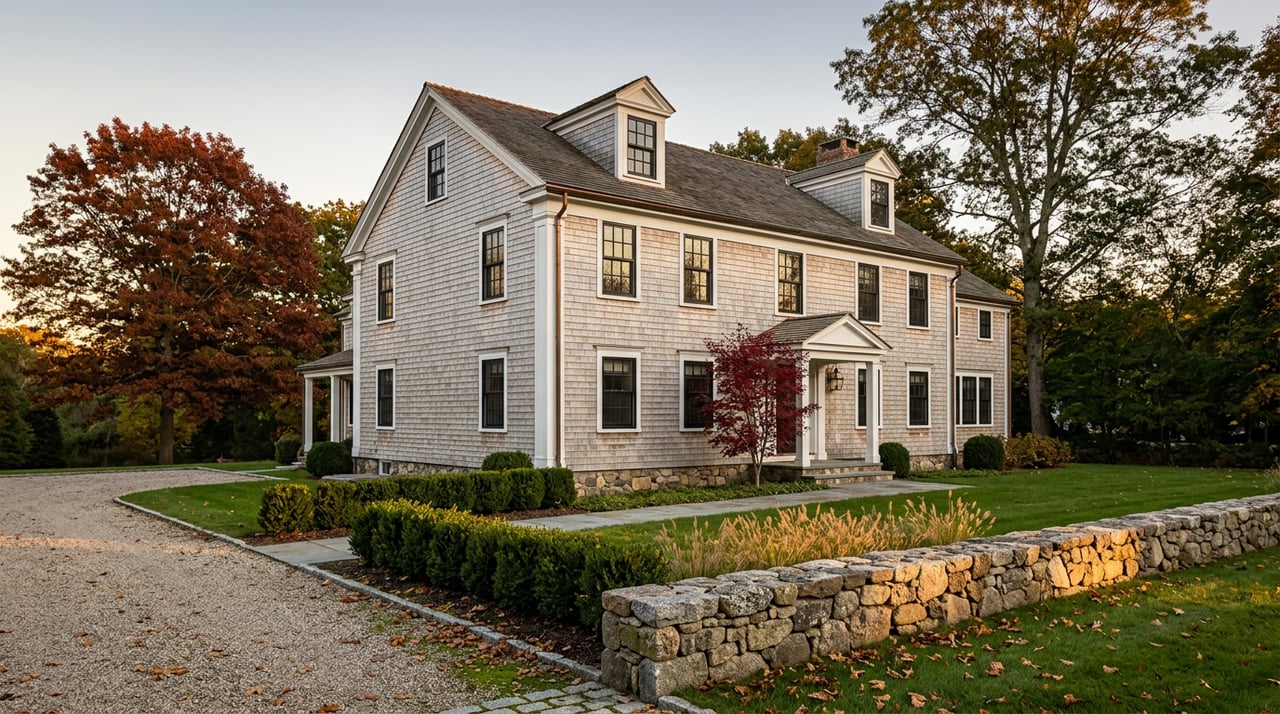
A boutique approach starts with the idea that your home has a specific audience. A classic Colonial on a scenic road, a renovated village property, or a larger home with land will not all be marketed the same way. Each property needs its own narrative, visual plan, and rollout strategy.
Today, most buyers meet your home online before they ever schedule a showing. According to 2024 buyer and seller data, 43% of buyers started their home search online, 69% used a mobile or tablet device, and buyers said photos, detailed property information, and floor plans were among the most useful features.
That matters in Hamilton, where broadband access is widespread at 96.5% of households. Your listing needs to look strong on a phone, in MLS results, and across digital platforms where buyers compare options quickly. If the photography, copy, and facts do not work together, buyers may never take the next step.
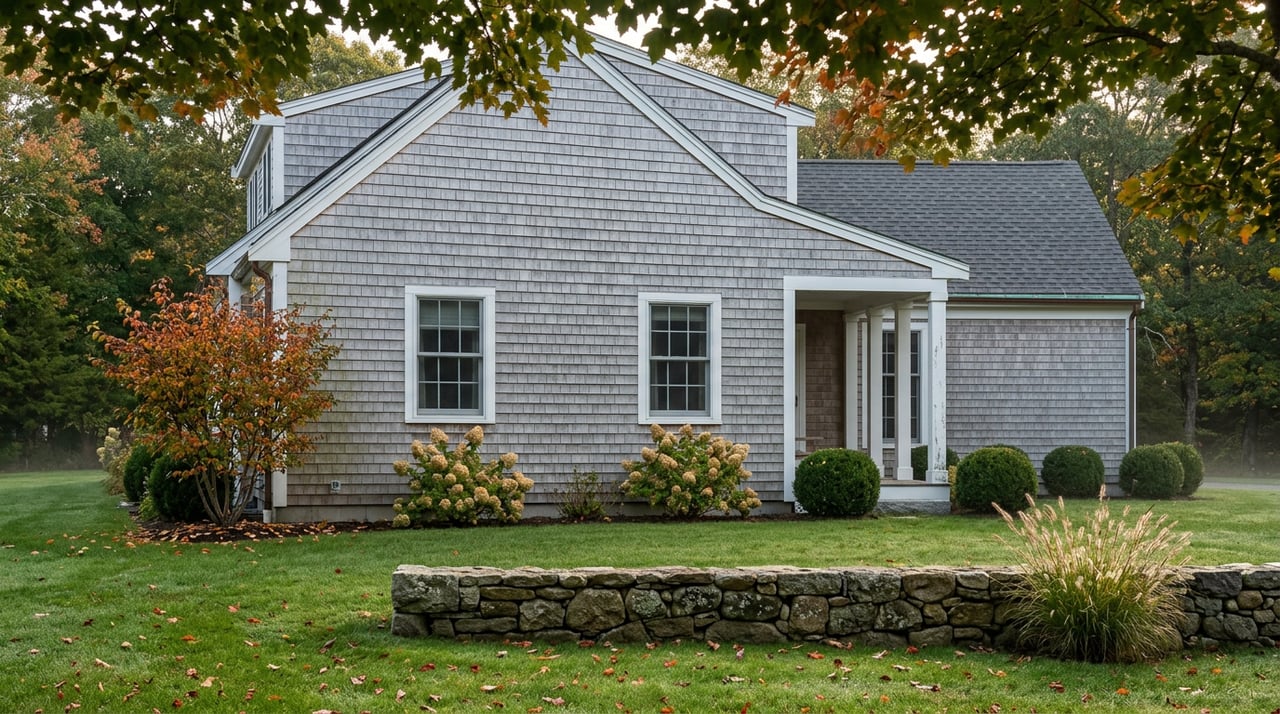
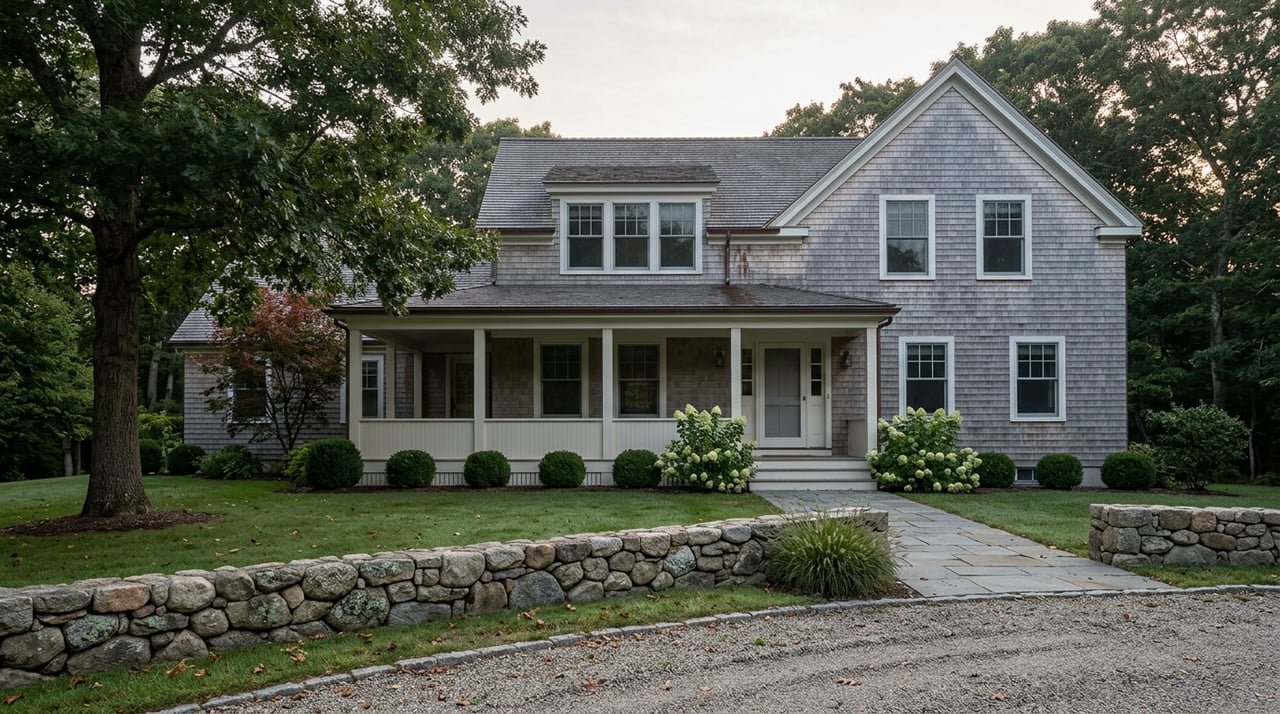
Professional photography is often the first thing buyers notice. In a place like Hamilton, photos should do more than document rooms. They should capture light, scale, architectural detail, lot character, and the relationship between the home and its surroundings.
For some listings, video and virtual tours can add useful context. Buyers also value floor plans and detailed property information, so visual marketing works best when it is supported by clean, factual presentation. Great visuals attract attention, but clarity helps convert interest into showings.
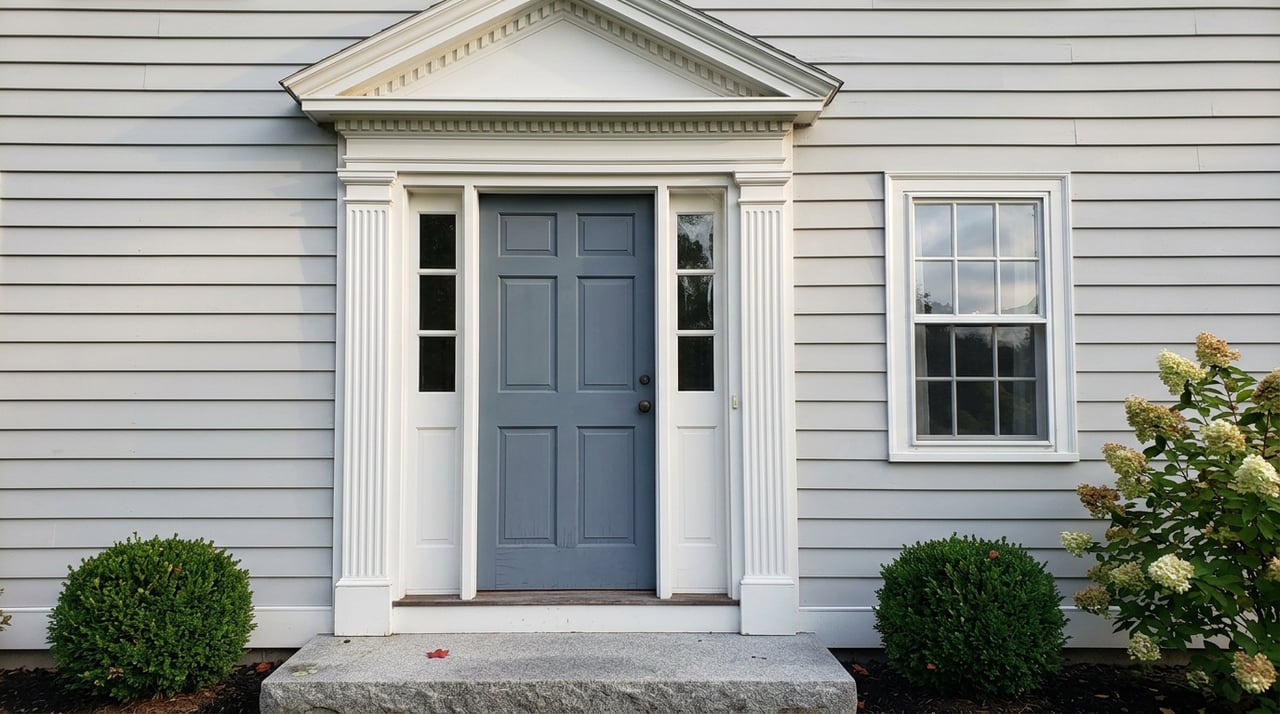
Hamilton homes often have features that need explanation, not just exposure. A mature setting, preserved period details, updated systems, flexible living areas, or access to shared town amenities can all be meaningful when framed clearly.
That is where listing copy matters. Instead of relying on generic phrases, high-impact marketing should explain what feels distinctive about the home and why it fits Hamilton. In this market, story-driven copy can help buyers connect the property to the town’s scenic, residential, and historic character.
Local context shapes buyer expectations. Hamilton highlights strong ties with Wenham, including a shared school system, library, recreation department, commuter rail station, and newspaper. Town materials also point to access to beaches, boating, and the Atlantic seashore.
For many buyers, these are not throwaway details. They help define daily life and influence how a property is perceived. That is why effective marketing often brings commuter convenience, local amenities, and North Shore lifestyle context into the listing story early and naturally.
The strongest marketing does not use broad claims. It stays grounded in what is factually true about the town and the property. In Hamilton, that may mean highlighting scenic surroundings, open space, recreation access, village connections, or the appeal of a residential setting with North Shore access.
That kind of specificity builds trust. It also helps the right buyers picture how the home fits their goals, whether they are moving up locally, relocating for a different pace, or selling a longtime family property.
High-impact marketing is not only about attention. It can also affect perceived value and buyer confidence. In 2025 staging data, 29% of agents reported that staging increased the dollar value offered by 1% to 10%, and 49% said staging reduced time on market.
Just as important, 83% of buyers’ agents said staging made it easier for buyers to envision the property as their future home. In Hamilton, where many homes carry strong personal style or legacy features, thoughtful preparation can help buyers focus on space, flow, and opportunity rather than distraction.
Depending on the property, a boutique marketing plan may include:
The goal is not to make a home look generic. It is to present it in a way that feels polished, honest, and easy for buyers to understand.
In some Hamilton sales, presentation should be paired with strong documentation. The town’s Historic District Commission reviews certain exterior changes in the historic district, including additions, demolitions, and signs visible from a public way. The Conservation Commission also reviews certain activities near wetland features and larger watercourses under state and local rules.
For sellers, that means buyers may ask practical questions alongside design questions. If your home has had renovations, additions, or site-related work, having permits, approvals, surveys, and records organized can strengthen confidence. In a detail-oriented market, that kind of preparation supports the marketing story.
Many sellers assume marketing begins when the listing goes live. In reality, the most effective campaigns begin earlier. They start with pricing strategy, home preparation, photography planning, and deciding how the property should be positioned.
That discipline matters because buyers often move quickly once a listing appears. NAR data shows buyers typically viewed seven homes, with two seen online only. If your home is going to win attention in that short comparison window, the launch needs to be complete from day one.
A polished launch often includes a coordinated mix of:
When these pieces work together, your home enters the market with clarity and momentum.
Hamilton sellers are often not looking for a high-volume, impersonal process. Many are longtime owners who care about legacy, privacy, communication, and making sure their home is represented well. A boutique strategy aligns with those priorities because it treats the sale as both a financial decision and a personal transition.
That is especially true in a town where 91.4% of residents lived in the same home one year earlier. Stability like that often means deeper roots, more accumulated value, and a stronger need for thoughtful guidance. Marketing should reflect that level of care.
The best premium marketing is measured, not loud. It uses strong visuals, sharp copy, and broad exposure to help the right buyers understand why your home deserves attention. In Hamilton, that often means emphasizing character, setting, condition, and context with confidence and restraint.
When done well, boutique marketing is not cosmetic. It is a practical way to reduce friction, improve first impressions, and support stronger buyer engagement. In a place where landscape, history, and residential appeal all shape value, that kind of strategy can make a meaningful difference.
If you are thinking about selling in Hamilton, a tailored marketing plan can help your home enter the market with purpose, polish, and the right story. To talk through pricing, presentation, and next steps, connect with Annie McClelland.


While our experience in sales, marketing, and negotiation gives us an edge, it’s the relationships with our clients, agents, and community that we value most. If you’re looking for honest guidance, creative solutions, and a team that genuinely loves what we do, we’d love to connect.

McClelland Del Rio Group
21 Central St Manchester by the Sea MA 01944