
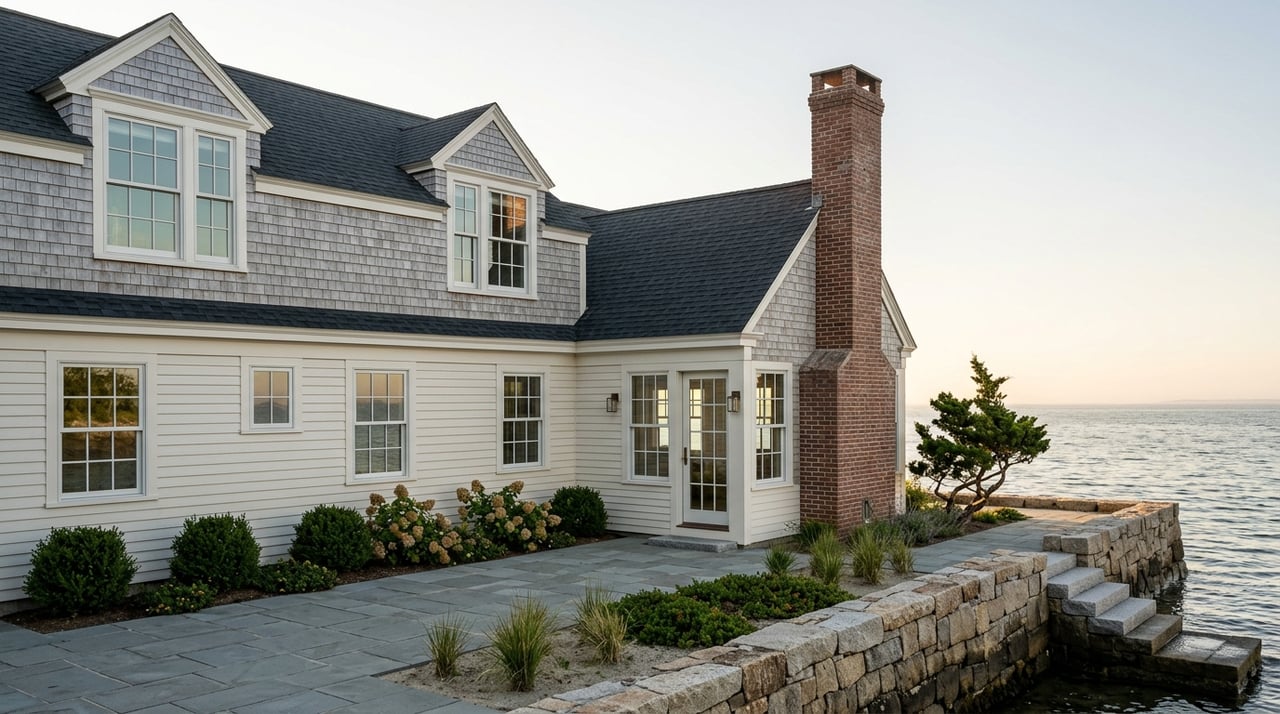
Wondering whether Beverly’s waterfront is just a pretty backdrop or something that truly shapes day-to-day life? If you are thinking about moving to Beverly, or simply trying to understand how the city feels beyond a map, that question matters. The good news is that Beverly’s shoreline is woven into daily routines in practical ways, from beach access and boating to downtown errands and commuter options. Let’s dive in.
In Beverly, the waterfront is not treated as scenery alone. City planning documents describe the harbor and Bass River as active civic assets, with an emphasis on mixed uses, water-dependent uses, and better public access.
That matters because it helps explain why the waterfront feels connected to everyday living instead of separate from it. The city’s Harbor Management Authority also says its role is to make waterfront areas more accessible and enjoyable for residents, boaters, fishermen, and visitors.
Beverly’s coastal setting also shapes the city’s identity. The open-space plan describes Beverly’s history and landscape as strongly tied to its shoreline, which helps explain why water access, views, and coastal recreation show up in so many parts of local life.
One important thing to know is that Beverly’s waterfront is not one continuous public path. The city’s harbor master plan notes that some inner-harbor access is limited or interrupted by private properties and blocked easements.
In practice, that means your waterfront routine is often built around specific destinations rather than one uninterrupted edge. Instead of expecting a single long public shoreline, you are more likely to use parks, beaches, wharves, and launch points throughout the city.
For many buyers, that is a helpful mindset shift. Access is real and meaningful, but it is location-based, so knowing where the public touchpoints are can shape how you experience Beverly on a regular basis.
Lynch Park is one of the clearest examples of how the waterfront enters daily life. Beverly’s open-space plan describes it as the city’s most popular recreation area, with views across Salem Sound, rocky headlands for tide-pool exploration, two sandy beaches for swimming, and a rose garden.
For residents, Lynch Park can become part of a regular routine rather than a once-in-a-while outing. The city says Beverly residents can use the park free with a valid sticker, while nonresident parking is cash only.
Other shoreline destinations add variety to how you spend time outside. Obear Park includes a beach on the tidal Danvers River, and West Beach is the city’s largest beach.
That range gives you options depending on the season, your schedule, and the kind of outing you want. Some days may call for a walk by the water, while others may be better for a beach visit, a quick stop with kids, or time outdoors before heading downtown.
If you enjoy getting on the water, Beverly offers more than scenic views. The city’s kayak program allows storage at six shoreline or Bass River locations: Dane Street Beach, Independence Park, Lynch Park, Obear Park, Pleasant View Beach, and Sandy Point.
That kind of setup can make waterfront living feel practical for paddlers, not just aspirational. Instead of planning a major outing every time, you may have simpler access points that support a more spontaneous routine.
For boating, Glover Wharf Marina offers recreational and commercial slips along with water and restroom and shower service in protected harbor waters. For people who want a harbor-oriented lifestyle, those kinds of facilities add another layer to how the shoreline supports everyday use.
Living near the water also means paying attention to seasonal rules. Beverly tests beaches every Tuesday from Memorial Day to Labor Day, and the city states that when a beach closure is posted, swimming is prohibited.
That does not mean the shoreline becomes off-limits. The city says shore activities like walking or sunbathing can continue even during a posted swimming closure.
That distinction is useful if you picture the waterfront as part of your weekly rhythm. Even when water conditions affect swimming, the coast can still function as a place to get outside, take a walk, or spend time by the shore.
Dog owners should also note that dogs are not allowed on public beaches during the Memorial Day-to-Labor Day window. That is one of those everyday details that can shape how you plan summer outings.
The waterfront also plays a role in Beverly’s seasonal calendar. The Harbor Management Authority sponsors Harbor Fest at Lynch Park every September.
Events like that reinforce the idea that the shoreline is not just private or purely recreational. It also serves as shared civic space, where residents gather and connect around the harbor.
One of Beverly’s biggest lifestyle advantages is that the waterfront does not feel cut off from the rest of the city. Planning documents describe downtown Beverly, especially Cabot Street and Rantoul Street, as highly walkable, with a robust mix of uses, restaurants and stores, and easy access to both the beaches and the Bass River.
That connection changes the feel of everyday living. A waterfront-oriented day in Beverly can include practical errands, dining, or cultural stops, rather than feeling like a special trip to a resort district.
The Beverly Depot commuter rail station sits in that same downtown area, which adds another layer of convenience. For many people, that means the water, the train, and downtown amenities can all be part of the same local routine.
City planning documents also identify Cabot Street as a commercial center and the arts district as a hub of creative activity. Theaters, creative businesses, sidewalk improvements, and Ellis Square public-realm upgrades all help support that role.
For you as a buyer, that means waterfront living in Beverly may feel more layered than you expect. You are not just near beaches and harbor views. You are also near an active downtown environment with culture, events, and everyday destinations.
Beverly’s shoreline identity is only part of the picture. The city also has practical commuter connections that shape how livable different parts of Beverly feel.
Beverly sits on the Newburyport/Rockport commuter rail line, which runs from Boston’s North Station to Beverly before splitting toward Newburyport and Rockport. The city’s harbor master plan lists five in-city commuter rail stations: Beverly Depot, Montserrat, Prides Crossing, Beverly Farms, and North Beverly.
That station network gives buyers more than one way to think about location. If you want coastal access and train options, some parts of the city may offer a stronger overlap between those priorities.
For example, the harbor master plan notes that Beverly Farms is near West Street and West Beach. That is the kind of detail that can matter if you are trying to balance shoreline access with commuting convenience.
Beverly’s transportation picture also includes local options beyond commuter rail. The city highlights the Beverly Shuttle, which stops in Ryal Side, Beverly Depot, City Hall, Beverly Hospital, the Council on Aging, and other locations.
The city also references Salem Skipper on-demand rideshare, offered in partnership with Salem and Danvers, along with the MBTA Beverly Depot parking garage. In addition, Beverly is studying a Mobility Hub at Beverly Depot to improve access for people arriving by train, foot, bicycle, or automobile.
Taken together, these details suggest that car-light living may be most practical in or near downtown and station-adjacent areas. At the same time, Beverly remains geographically spread out and shoreline-oriented, so parking and street access are still part of daily life for many households.
If you are considering Beverly, the waterfront may shape your lifestyle in ways both obvious and subtle. It can influence where you walk, how you spend weekends, how close you feel to downtown, and how easily you can blend outdoor time with commuting and errands.
It can also affect what kind of home search makes sense for you. Some buyers may want quick access to parks or beaches, while others may care more about being near Beverly Depot, Cabot Street, or one of the city’s boating and paddling access points.
The key is not to think of Beverly’s waterfront as one single experience. It is a network of shoreline destinations, public spaces, downtown connections, and transportation links that together shape how the city lives day to day.
If you are exploring Beverly or comparing North Shore towns, working with a team that understands how lifestyle and location overlap can make your search much more focused. Annie McClelland can help you evaluate how Beverly’s waterfront, downtown access, and neighborhood setting fit the way you want to live.




While our experience in sales, marketing, and negotiation gives us an edge, it’s the relationships with our clients, agents, and community that we value most. If you’re looking for honest guidance, creative solutions, and a team that genuinely loves what we do, we’d love to connect.

McClelland Del Rio Group
21 Central St Manchester by the Sea MA 01944