
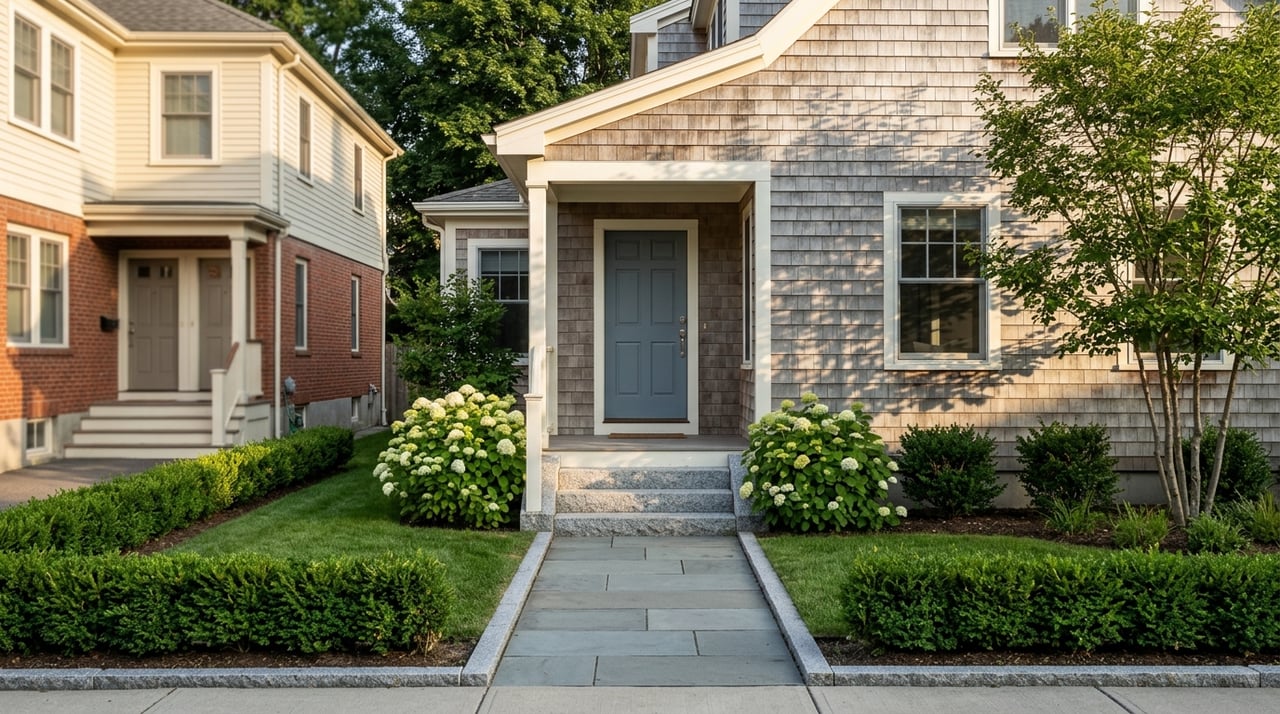
If you are deciding between a condo and a single-family home in Beverly, you are not alone. It is one of the most common trade-offs buyers face here, especially in a city that blends coastal living, older housing stock, walkable areas, and commuter access. The good news is that Beverly offers strong options on both sides, and understanding the differences can help you choose with more confidence. Let’s dive in.
Beverly is not a one-size-fits-all housing market. Current housing data show 17,630 housing units, with a 60.1% owner-occupied rate and a median owner-occupied home value of $650,300. The city also has a mixed housing profile, including single-family homes, smaller multifamily buildings, and larger residential buildings.
That mix matters when you are comparing property types. About 53.67% of Beverly’s housing units are single-housing units, while a meaningful share of the market includes 2 to 4-unit properties and larger multifamily buildings. In practical terms, that means you will likely see both traditional single-family homes and a range of condo options, from smaller conversion-style associations to larger professionally managed buildings.
Beverly’s setting also shapes the decision. The city combines a coastal environment with parks, open space, public and commercial boat docks, a mixed-use downtown, and rail access through Beverly Depot and other transit connections. Depending on your priorities, either a condo or a single-family home could be the better fit.
Single-family homes remain the core housing type in Beverly. Local housing planning documents counted far more single-family dwellings than condominiums, which supports the view of Beverly as a single-family-leaning market with a strong condo secondary market.
If you want more privacy, yard use, or more direct control over your property, a single-family home often stands out. You are generally making more of the decisions about maintenance, updates, and long-term use of the property.
That flexibility can be important over time. Beverly has updated its accessory dwelling unit rules to allow attached and detached ADUs in certain situations, which may create more options for multigenerational living or future household flexibility if the parcel and zoning allow it.
A major part of the single-family conversation in Beverly is age. About 42.68% of the city’s housing units were built before 1939, so many homes come with character, but also with a greater chance of ongoing upkeep, repairs, or renovation planning.
That does not mean older homes are a negative. It simply means you should approach them with clear eyes. A thorough inspection matters, and if the home was built before 1978, lead-paint disclosure is required under Massachusetts rules.
In a coastal city like Beverly, location matters as much as layout. If you are considering a waterfront or near-water single-family home, you may need to look more closely at floodplain rules, insurance needs, and future resilience planning.
Beverly’s floodplain guidance notes that development in a special flood hazard area requires permits and certificates. The city’s coastal resiliency work also focuses on sea-level rise and coastal flooding, so near-water properties may involve more due diligence than homes farther inland.
For many buyers, condos offer a simpler day-to-day lifestyle. If your goal is less direct exterior upkeep and a more lock-and-leave routine, a condo can be a practical fit.
That can be especially true in Beverly’s downtown and station-area settings. Downtown Beverly is described by the city as a mixed-use environment with housing, retail, and walking destinations, and the city has continued to support multifamily housing near Beverly Depot. If you value convenience, walkability, and commuter access, condos often align well with that lifestyle.
Massachusetts condos are privately owned and governed by the master deed, deed, by-laws, and Chapter 183A. Monthly condo fees are typically based on the annual budget and often help cover shared maintenance, repairs, insurance, reserves, and other common expenses.
The biggest advantage of condo ownership is also the biggest point to review carefully. You may have fewer direct maintenance tasks, but you are part of an association, and that comes with monthly dues, shared decision-making, and community rules.
Special assessments are also possible. If the annual budget or reserve fund is not enough to cover needed work, the association may assess owners for additional costs.
In Beverly, the city’s housing mix suggests you may come across both smaller condo associations in converted buildings and larger professionally managed communities. That makes document review especially important, because management quality and reserve planning can vary from one association to another.
Price is only part of the decision. Your monthly and annual carrying costs may look very different depending on the property type.
Beverly’s FY2026 residential tax rate is $10.81 per $1,000 of assessed value. Using the current median owner-occupied value of $650,300, that works out to about $7,030 per year before exemptions.
That property tax framework applies to both condos and single-family homes. The key difference is that condo owners usually have HOA dues on top of property taxes, while single-family owners are more likely to pay directly for exterior maintenance, repairs, and capital replacements as needed.
A condo may offer more predictability month to month if the association is well run and reserves are healthy. A single-family home may offer more control over spending, but you are also more exposed to surprise repair costs, especially in an older housing market.
The better value depends on your preferences. Some buyers would rather budget for a monthly condo fee, while others prefer not to pay HOA dues and want full control over when and how they maintain the property.
No matter which direction you are leaning, asking the right questions early can save time and stress later.
Massachusetts guidance makes clear that condo questions can be legal in nature, so attorney review of the documents is an important step.
These questions are especially relevant in Beverly because of the city’s older housing stock and coastal geography.
If your top goal is lower day-to-day maintenance, a condo usually comes out ahead. You may give up some control, but you gain convenience and often a lifestyle that fits downtown or transit-oriented living.
If your top goal is privacy, outdoor space, and flexibility, a single-family home usually has the edge. You take on more upkeep, but you also gain more control over the property and how it evolves with your needs.
If your daily routine centers on commuting, restaurants, and walkable amenities, condo living near Beverly Depot or downtown may make a lot of sense. If your focus is long-term household flexibility, customization, or future ADU possibilities, a single-family home may be the stronger match.
There is no universal right answer in Beverly. The best choice is the one that aligns with how you want to live, what you want to spend, and how much responsibility you want to take on directly.
When you are weighing Beverly condos against single-family homes, local context matters. The right guidance can help you look beyond the listing photos and focus on the details that shape long-term value and day-to-day livability. If you want a thoughtful, tailored conversation about your next move on the North Shore, connect with Annie McClelland.

While our experience in sales, marketing, and negotiation gives us an edge, it’s the relationships with our clients, agents, and community that we value most. If you’re looking for honest guidance, creative solutions, and a team that genuinely loves what we do, we’d love to connect.

McClelland Del Rio Group
21 Central St Manchester by the Sea MA 01944