
If you are looking for a North Shore town that feels peaceful, historic, and genuinely connected to the landscape, Wenham deserves a closer look. This is the kind of place where tree-lined roads, old stone walls, and preserved village character shape daily life in a real way. If you are wondering what it is actually like to live there, this guide will walk you through Wenham’s setting, housing, outdoor spaces, community rhythm, and commuter connections. Let’s dive in.
Wenham is not a commercial-heavy suburb trying to create character. It is a town that has carried its identity forward over centuries, with roots dating back to 1636 and incorporation in 1643. About 22 miles north of Boston, Wenham sits near Beverly and Hamilton and still reflects an old New England village pattern.
The town itself describes Wenham through its farm views, lakes, woodlands, winding roads, and historic features. That matters because the built environment and natural setting still feel closely tied together. When you spend time here, the impression is more quiet and residential than busy or built-up.
Wenham’s history also helps explain its slower pace. In the mid-1800s, the local economy was shaped by agriculture, shoe shops, and ice harvesting at Wenham Lake. That small-scale history still shows up today in the town’s preserved feel and modest village center.
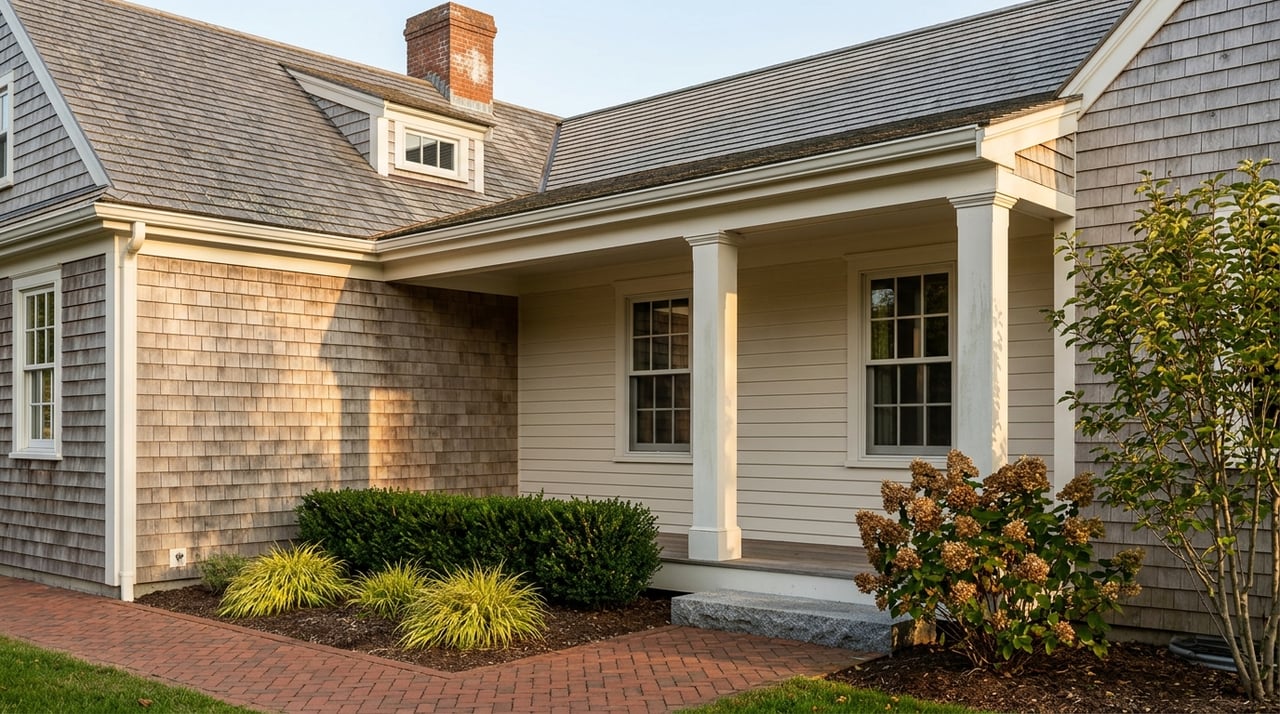
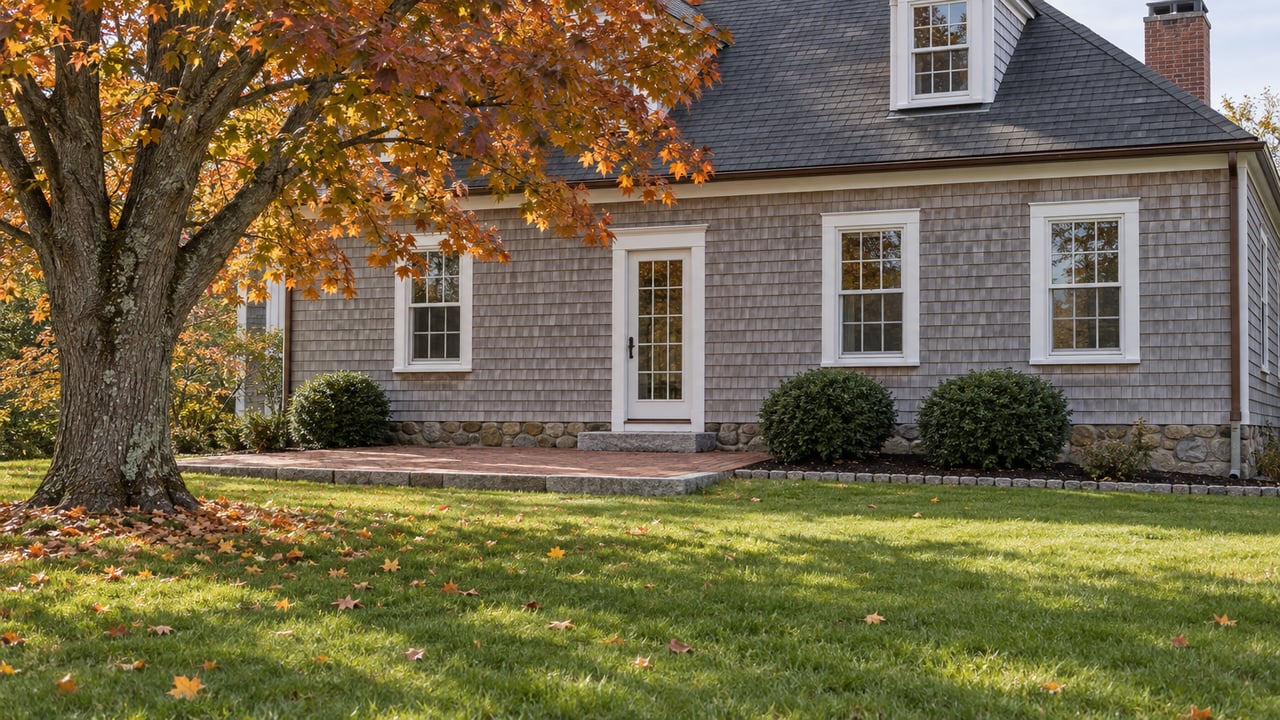
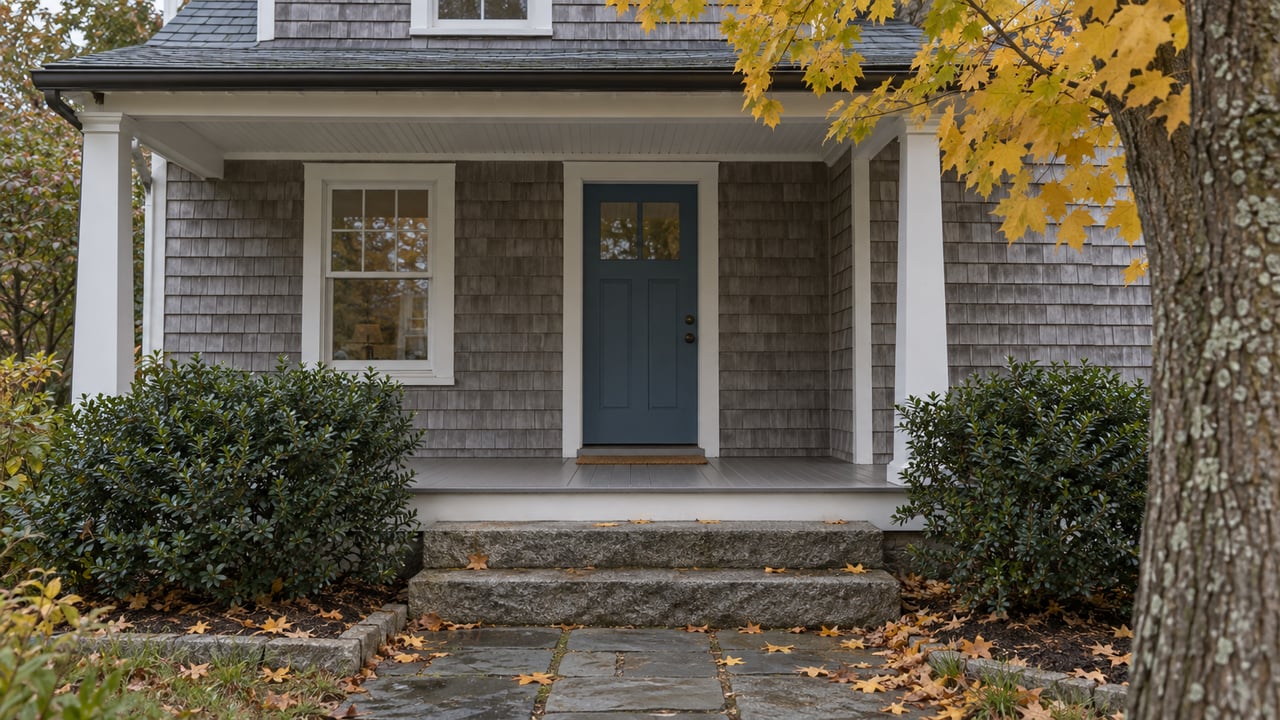
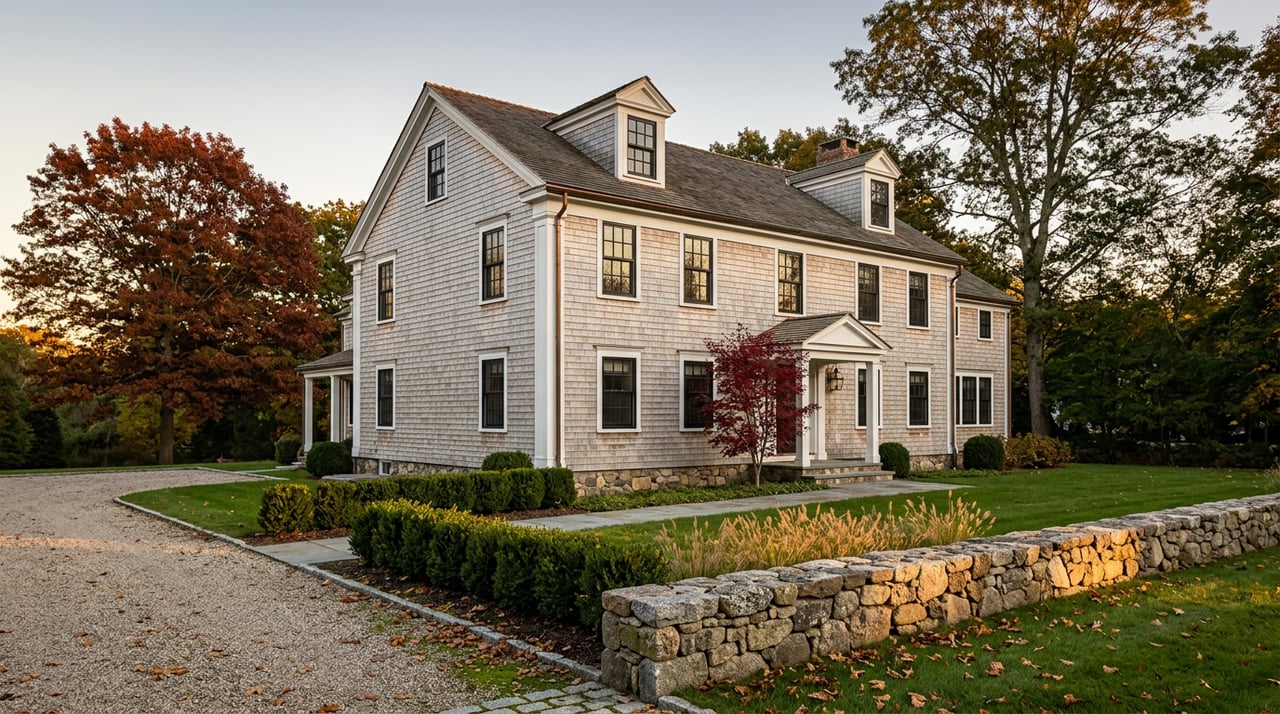
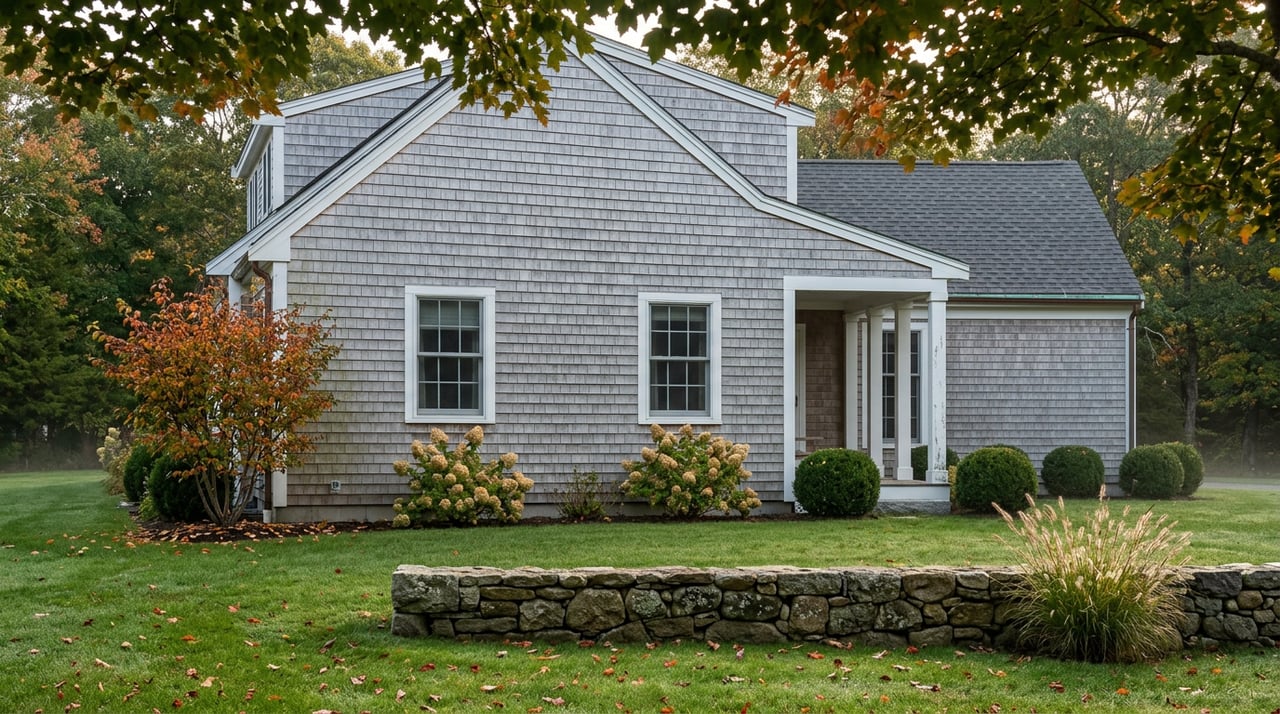
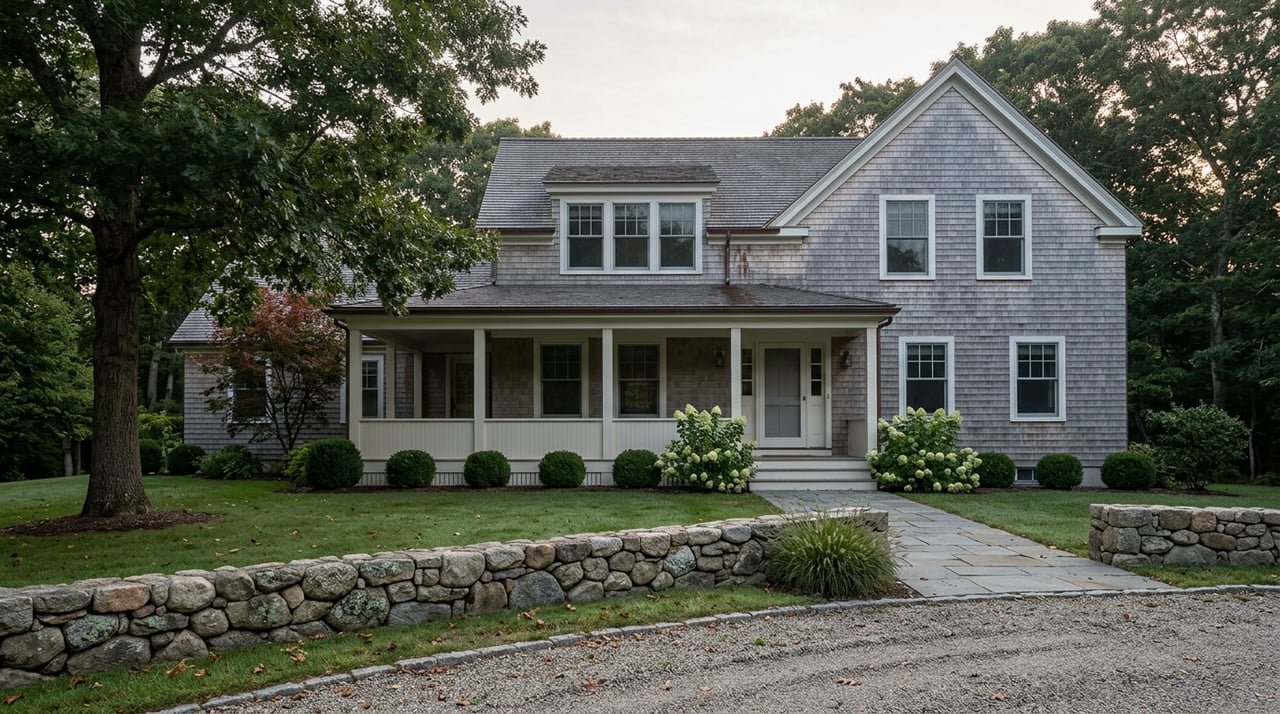
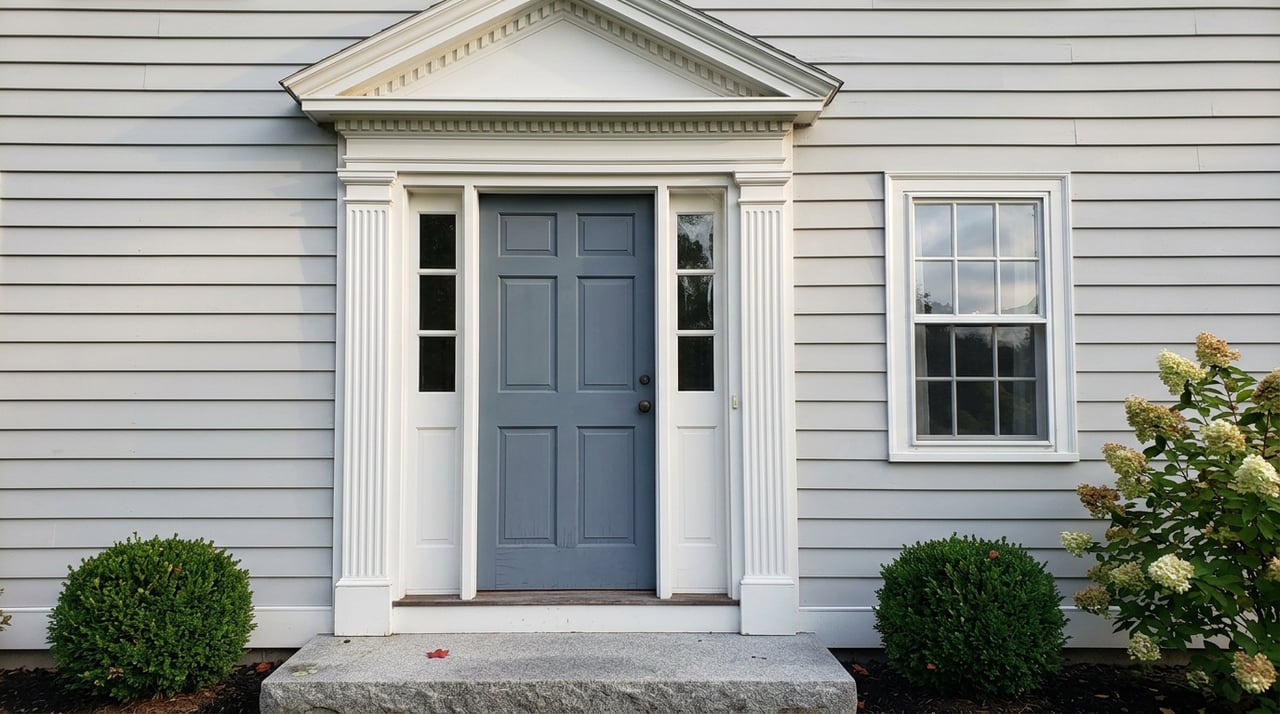
One of the most appealing parts of Wenham is that its homes do not feel repetitive. Instead of long stretches of similar subdivision houses, you see a mix of architectural styles and periods that have developed over time. That variety gives the town a more established and visually interesting character.
Along Main Street, the Wenham Historic District helps preserve many of the buildings and streetscapes that define the town. Local review is intended to protect distinctive architecture and historic places, and the district includes notable Greek Revival, Colonial, and Federal styles. If you are drawn to homes with a sense of history, this part of town is especially meaningful.
Beyond the historic district, the housing stock stays varied. A community-wide survey identified Greek Revival cottages, gable-front houses, Craftsman homes, Colonial Revival, Dutch Colonial Revival, Tudor Revival, a few kit houses, and some modernist dwellings. That kind of range creates a town where older homes and later additions can coexist without losing the overall village scale.
Postwar development in Wenham was also more modest than in many suburban communities. Growth often came through smaller subdivisions or individual infill homes instead of large tract developments. For buyers, that often translates into a town that feels established and less standardized.
For many people, Wenham’s biggest lifestyle advantage is how easy it is to stay connected to open space. The town says it has nearly 300 acres of parks, playgrounds, and recreational lands. That is a meaningful amount of shared outdoor space for a community of this scale.
West Wenham Park is one example of how that outdoor access shows up in everyday life. The park includes accessibility improvements, parking, a picnic area, courts, and a pump track. It offers active recreation without making the town feel overly programmed or crowded.
The broader trail network adds even more depth. Wenham’s public trail mapping includes Wenham Lake, JC Phillips Nature Preserve, Longham Reservoir, the Iron Rail area, Gordon College’s Coy Pond Trail, and the Audubon Ellice Endicott Trail, along with other conserved lands and easements. If you like walking, running, or just having nearby places to reset outdoors, Wenham gives you options.
Mass Audubon’s Cedar Pond Wildlife Sanctuary is another standout local resource. It includes 158 acres and about 3 miles of trails, plus an accessible trail and a varied landscape of forest, swamp, marsh, field, bog, and shrubland. For residents who want nature close to home, that kind of access can shape your weekly routine in a very positive way.
Wenham has a community rhythm that feels hands-on and town-centered. It still uses an open town meeting structure, which reflects a strong tradition of local participation. Town Hall remains central to elections, administration, and civic life, and that structure gives the town a noticeably engaged identity.
There are also traditions that reinforce that small-town atmosphere. The town notes its long-running Free Lunch for Voters tradition, and Wenham’s volunteer culture continues to be part of how the community functions. If you value places where civic participation still feels visible, Wenham stands out.
Nonprofit and shared community institutions also play a major role. The Wenham Village Improvement Society helps maintain the Tea House property, Tea House Park, and tennis courts, while also supporting scholarships and other programs. That kind of stewardship adds to the feeling that local places are actively cared for.
The Hamilton-Wenham Public Library is another important civic anchor. It offers programs and a Library of Things, serving residents of both communities. The Hamilton-Wenham Recreation Department also supports local programs, community-wide events, and a summer pool, which adds practical value to everyday life.
Although Wenham is quiet, it is not isolated from culture or local activity. The Wenham Museum on Main Street is a strong part of the town’s identity, with a focus on childhood, history, and culture. Its origins also connect back to the village’s preservation-minded tradition, which gives the museum a strong sense of place.
Gordon College adds another layer to the town. Its 485-acre wooded campus is located in Wenham and brings an institutional presence without overwhelming the town’s residential scale. That creates a subtle mix of village calm and campus energy.
This balance is part of what makes Wenham appealing to many buyers. You get a town that feels rooted and low-key, but not disconnected from learning, programming, or community institutions. For some households, that combination is exactly the right fit.
Living in Wenham also means you are not limited to Wenham alone. Beverly adds a larger regional layer, with an arts and culture scene centered around downtown and Cabot Street, along with parks, open space, coastal character, and commuter rail access. That nearby connection can be a real advantage if you want more dining, events, or activity within a short drive.
Hamilton also plays a practical role in daily life, especially through shared institutions like the library and recreation programming. In many ways, Wenham functions as part of a broader local orbit rather than a fully separate bubble. That can make the area feel both intimate and well connected.
For commuters and regular city visitors, transit access matters too. The MBTA Newburyport/Rockport Line serves Hamilton/Wenham and connects to North Station. If you need access to Boston but want a quieter home base, that connection is one of Wenham’s clearest practical strengths.
Wenham often appeals to buyers who want a residential setting with character rather than a busier town center. If you are drawn to preserved architecture, open space, and a more traditional village layout, Wenham may feel especially comfortable. It offers a lifestyle that leans more toward quiet routines and community stewardship than constant activity.
It can also be a strong fit if you want North Shore living with access to both inland green space and nearby coastal amenities. Because Wenham sits within reach of Beverly and the broader Boston commute pattern, it supports a range of lifestyles without losing its own identity. That balance is a big part of its appeal.
For some buyers, the town’s smaller scale is the main draw. For others, it is the mix of historic homes, trails, and civic traditions. Either way, Wenham tends to attract people who value place, continuity, and a calm everyday setting.
If you are considering Wenham, it helps to think beyond square footage alone. In a town like this, the setting, architectural style, lot character, and relationship to open space can shape value just as much as interior finishes. Two homes with similar size may offer very different living experiences depending on where they sit and how they connect to the town’s historic fabric.
It is also useful to understand how Wenham’s preserved character influences inventory. Because the housing stock is layered and development has been relatively modest, homes may feel more distinct from one another than in newer suburban markets. That can make local guidance especially helpful when you are comparing options.
If your goal is to find a North Shore home with authenticity, natural beauty, and a quieter pace, Wenham is worth serious attention. And if you are preparing to buy or sell in Wenham or a nearby North Shore town, working with an advisor who understands these subtle lifestyle differences can make the process much clearer. When you are ready, connect with Annie McClelland for thoughtful, local guidance.

While our experience in sales, marketing, and negotiation gives us an edge, it’s the relationships with our clients, agents, and community that we value most. If you’re looking for honest guidance, creative solutions, and a team that genuinely loves what we do, we’d love to connect.
McClelland Del Rio Group
21 Central St Manchester by the Sea MA 01944